



You can keep a dog's teeth cleaner without a toothbrush by physically wiping the tooth surfaces every day or every couple of days with a textured finger wipe or gauze. Veterinary sources say brushing is the gold standard, but a dog that refuses it is still better served by a short wipe routine than by nothing. Hardened tartar always needs your vet.
Key takeaways
- Plaque is a soft bacterial film. It can start hardening into tartar within about 24 hours, so consistency beats intensity.
- Brushing works best. If your dog says no, wiping the outer tooth surfaces is the next-best home option.
- Never use human toothpaste on a dog.
- Hard chews such as bones, antlers and rawhide can fracture teeth. Look for VOHC-accepted products instead.
- Tartar, red gums and persistent bad breath are vet topics, not home-care topics.
Why a dog's teeth need regular cleaning
Plaque is a sticky film of bacteria that builds up along the gumline after every meal. Cornell's Riney Canine Health Center explains that minerals in saliva can begin to harden it into tartar (also called calculus) in as little as 24 hours. Left alone, plaque and tartar irritate the gums, and the Merck Veterinary Manual describes untreated gum disease as the main cause of tooth loss in dogs.
That is why vets focus on routine. A little plaque removal often is more useful than one long session once in a while.
Why brushing so often fails
Many owners buy a brush and paste, try it once or twice, and give up. A dog that backs away, clamps its mouth or wriggles is not being stubborn: a long object in the mouth feels invasive. If that is your dog, there is no shame in changing the tool. The goal is a habit you can keep.
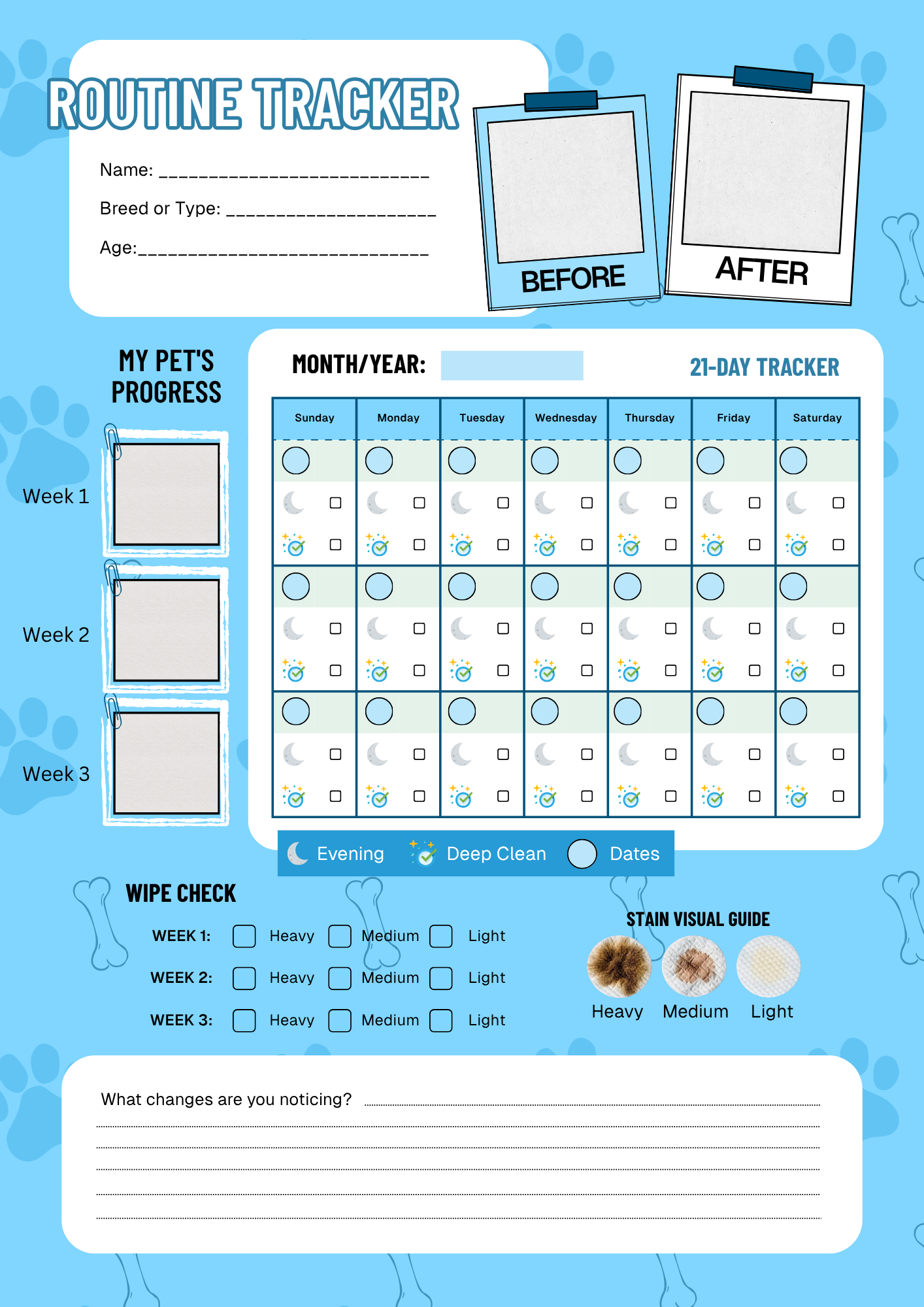
A realistic routine has three parts: a short daily or near-daily wipe, safe chewing that suits your dog, and a regular check-up with your vet. None of the three needs to be perfect. What matters is that you can repeat it, week after week, without a struggle.
Ways to clean your dog's teeth without a toothbrush
1. A textured finger wipe
A finger wipe fits over one finger, so you stay in control and the session is short. The texture provides the gentle scrubbing action that a smooth cloth lacks. Slide it along the outside of the teeth, where plaque collects, from the back to the front.
2. Gauze wrapped around your finger
The Merck Veterinary Manual says that if a dog will not allow brushing, wiping the teeth with gauze every 2–3 days can remove plaque, and that only the outer surfaces need cleaning. It is a cheap place to start.
3. VOHC-accepted dental chews and diets
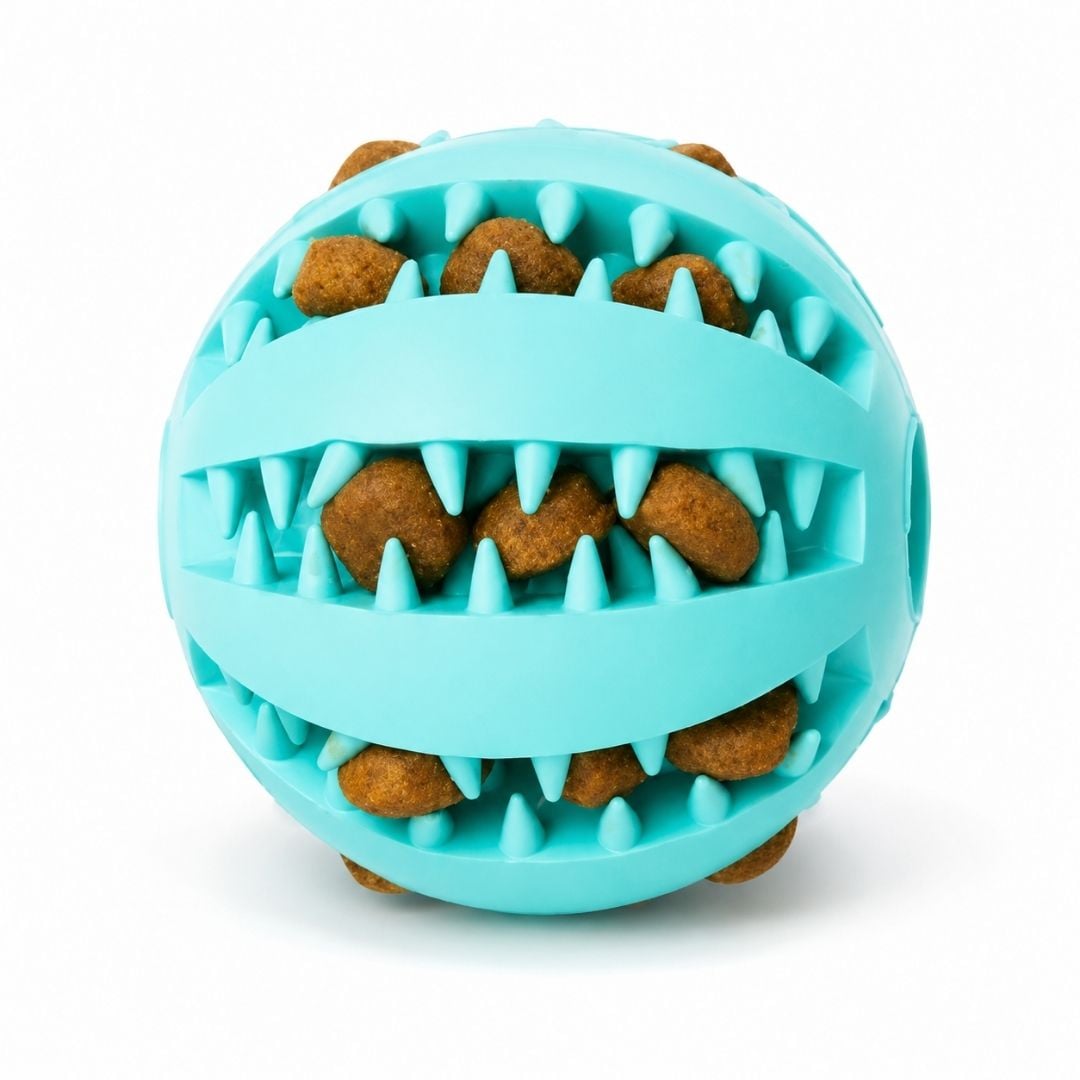
The Veterinary Oral Health Council reviews submitted data for products that control plaque or tartar and awards its Seal of Acceptance. Pick a chew sized to your dog's body weight and give it only when you can watch your dog chew.
4. Water additives, gels and sprays
Cornell lists these as options when brushing is not possible, or in addition to it. They are a supplement. Ask your vet which ones are worth using.
What to avoid
- Human toothpaste. Merck says toothpastes made for people should not be used.
- Bones, antlers, hooves, rawhide and hard manufactured toys. Cornell warns these can wear or fracture teeth and can cause stomach or intestinal damage.
How to wipe your dog's teeth, step by step
- Pick a calm moment. After a walk or before a meal, when your dog is relaxed.
- Let your dog sniff the wipe. Give a treat for staying calm.
- Lift the lip gently on one side with your free hand.
- Wipe the outer surfaces of the teeth along the gumline, back to front, in small circles.
- Stop while it is still pleasant. Even a few teeth on day one counts. Add a few more each day until you reach both sides.
- Finish with praise so the routine ends on a good note.
Start with the large teeth at the back-side of the mouth, the canines and the cheek teeth, since plaque tends to collect there.
Making it a habit
Tie the wipe to something that already happens every day: right after the evening walk, or just before breakfast. Keep the pack where you will see it. Praise and a small reward afterwards teach your dog that the routine ends well. If your dog tenses up, go back a step, and let it sniff the wipe or touch only the lips for a few days before moving on to the teeth.
How FreshWipes fit into the routine
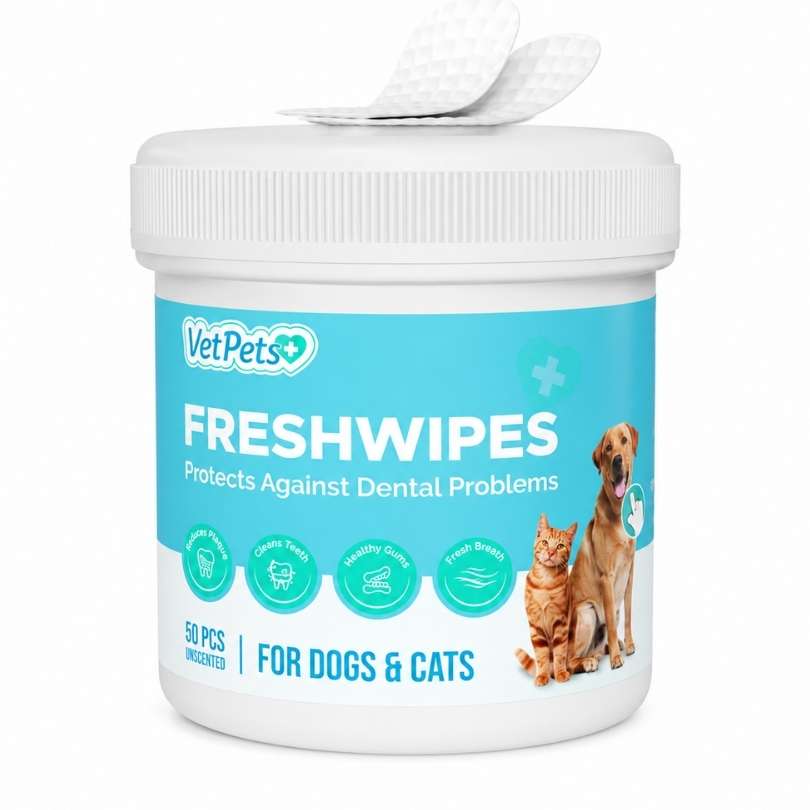
FreshWipes are a textured finger wipe made for exactly this job: they fit over one finger, no toothbrush needed, and are used to physically scrub plaque and food debris off the teeth and along the gumline. They are fragrance-free, alcohol-free, fluoride-free and pH-balanced, and are suitable for dogs and cats of all sizes. Each container holds 50 wipes, and every order is covered by a 100-day money-back guarantee.
FreshWipes are part of a daily-care routine. They are not a substitute for professional veterinary dental cleaning and they do not remove hardened tartar. Follow the directions on the pack for how often to use them.
Prefer to see everything in one place? Browse the finger wipes collection.
When to see a vet
Home care keeps the surface clean. It cannot treat gum disease or fix a damaged tooth. Cornell lists these reasons to contact your vet: difficulty eating or reduced appetite, bad breath, bleeding from the mouth, swelling of the jaw or face, drooling, and nasal discharge. The Merck Veterinary Manual adds red, swollen or bleeding gums, tooth pain, discolored or broken teeth, and notes that many dogs hide pain. Book a dental check at least once a year, and talk to your vet before starting any new dental product, especially for puppies, seniors and dogs with existing mouth problems.
Frequently asked questions
Can I use human toothpaste on my dog?
No. The Merck Veterinary Manual says toothpastes made for people should not be used on dogs. Use a pet-specific product.
Is wiping as good as brushing?
Brushing is described by Cornell as the most effective home method. Merck notes that for dogs that will not allow a toothbrush, wiping the outer tooth surfaces with gauze every 2–3 days can remove plaque. A wipe is the realistic option when brushing is a fight.
How fast does plaque turn into tartar?
Cornell's veterinary college says minerals in saliva can begin hardening plaque into tartar in as little as 24 hours. Once it is hard, a wipe or brush will not remove it; that needs a professional cleaning.
Do dental chews count as dental care?
They can help. The Veterinary Oral Health Council (VOHC) reviews plaque- and tartar-control products and awards a seal of acceptance. Choose a size that matches your dog's weight and supervise chewing. Avoid hard items such as bones, antlers, hooves and rawhide.
Can FreshWipes remove tartar?
No. Tartar is hardened and needs a vet. FreshWipes are a textured finger wipe for the daily routine: they physically scrub plaque and food debris from the teeth and gumline.
When should I see a vet?
See your vet if you notice bad breath that does not go away, red or bleeding gums, drooling, trouble eating, a loose, broken or discolored tooth, or swelling on the face. Many dogs hide pain, so a yearly dental check is worth it.
Sources
- Cornell University College of Veterinary Medicine: Dental disease and home dental care
- Merck Veterinary Manual: Dental Disorders of Dogs
- Veterinary Oral Health Council (VOHC)
Reviewed by the VetPets Care Team. This guide is educational and does not replace advice from your veterinarian.