



Plaque vs Tartar in Dogs: What’s the Difference?
Plaque is soft and can be wiped away. Tartar is hard and cannot. Here is how one turns into the other, how to tell them apart, and what to do about each.

The short answer
Plaque is a soft, sticky film of bacteria on the teeth. Tartar (also called calculus) is what plaque becomes once minerals in saliva harden it, which can begin within as little as 24 hours. Plaque can be removed at home with regular cleaning. Tartar is stuck to the tooth and needs a professional cleaning by your vet.
Key takeaways
- Plaque is soft and sticky. Tartar is hard, rough and usually yellow to brown.
- Plaque can start hardening into tartar in as little as 24 hours, so a steady routine matters more than an occasional big effort.
- Wiping or brushing can remove plaque. It cannot remove tartar.
- Both plaque and tartar feed gum irritation, so the goal is to catch plaque before it hardens.
- Heavy tartar, red gums or lasting bad breath are a reason to book a vet dental check.
In this guide
What plaque is
Plaque is the first step of every dental problem in dogs. Cornell’s Riney Canine Health Center describes it as a sticky build-up of bacteria, also known as a biofilm, on the surface of the teeth. The Merck Veterinary Manual adds that bacteria collect along the gumline in part because of a lack of proper oral hygiene.
Every dog gets plaque. It forms after meals, it is soft, and it is mostly colorless or pale, which is why many owners never notice it. The important thing is what happens if it stays put.
What tartar is
Tartar is plaque that has hardened. Cornell explains that within as short as 24 hours, minerals in saliva, such as calcium, begin to harden the plaque into dental tartar, also called calculus. Once it is hard, it bonds to the tooth surface and has a rough texture that gives fresh plaque an easy place to grab hold.
That is why dental care is a timing game. Soft plaque is a home-care job. Hardened tartar is a job for your vet, who removes it with ultrasonic and hand scalers during a professional cleaning, according to Cornell.
Plaque vs tartar: side by side
| Plaque | Tartar (calculus) | |
|---|---|---|
| What it is | Sticky bacterial film (biofilm) | Plaque hardened by minerals in saliva |
| Feel | Soft, slightly slimy | Hard, rough, stuck to the tooth |
| Look | Pale or hard to see | Yellow, tan or brown crust, often at the gumline |
| How fast | Forms continually after meals | Can begin hardening in as little as 24 hours |
| Home care can remove it? | Yes, with regular brushing or wiping | No |
| Who removes it | You, daily | Your vet, under a professional cleaning |
How to spot each one
Lift your dog’s lip in good light, ideally when they are calm and relaxed. Look at the outer surfaces of the back teeth and the canines, where build-up is usually worst, and look along the edge where tooth meets gum.
- Plaque: a faint, dull film. A fingertip or wipe can lift it off.
- Tartar: a yellow, tan or brown crust that does not rub off. It often sits in a line along the gums.
- Gum changes: red or swollen gum edges next to the build-up can point to gingivitis, which is the gum inflammation Cornell links to the bacteria in plaque and tartar.
If you cannot tell which one you are looking at, that is normal. A vet dental check settles it quickly.
Why the difference matters
According to Cornell, the bacteria in plaque and tartar lead to infection and inflammation of the gums, often called gingivitis. The Merck Veterinary Manual notes that gingivitis can come back if the teeth are not kept clean and free of plaque, and that more serious gum disease usually follows years of plaque, tartar and gingivitis.
The practical lesson is simple. Plaque is the stage you can still control from your living room. Every day that passes gives it more chance to harden, and after that the only fix is a professional one.
What you can do at home
- Make it daily. Merck says daily toothbrushing is best. Plaque keeps forming, so a short regular routine beats a long occasional one.
- If your dog refuses a brush, wipe. Merck notes that wiping the teeth with gauze at least every 2–3 days can remove plaque in dogs that do not allow toothbrushing.
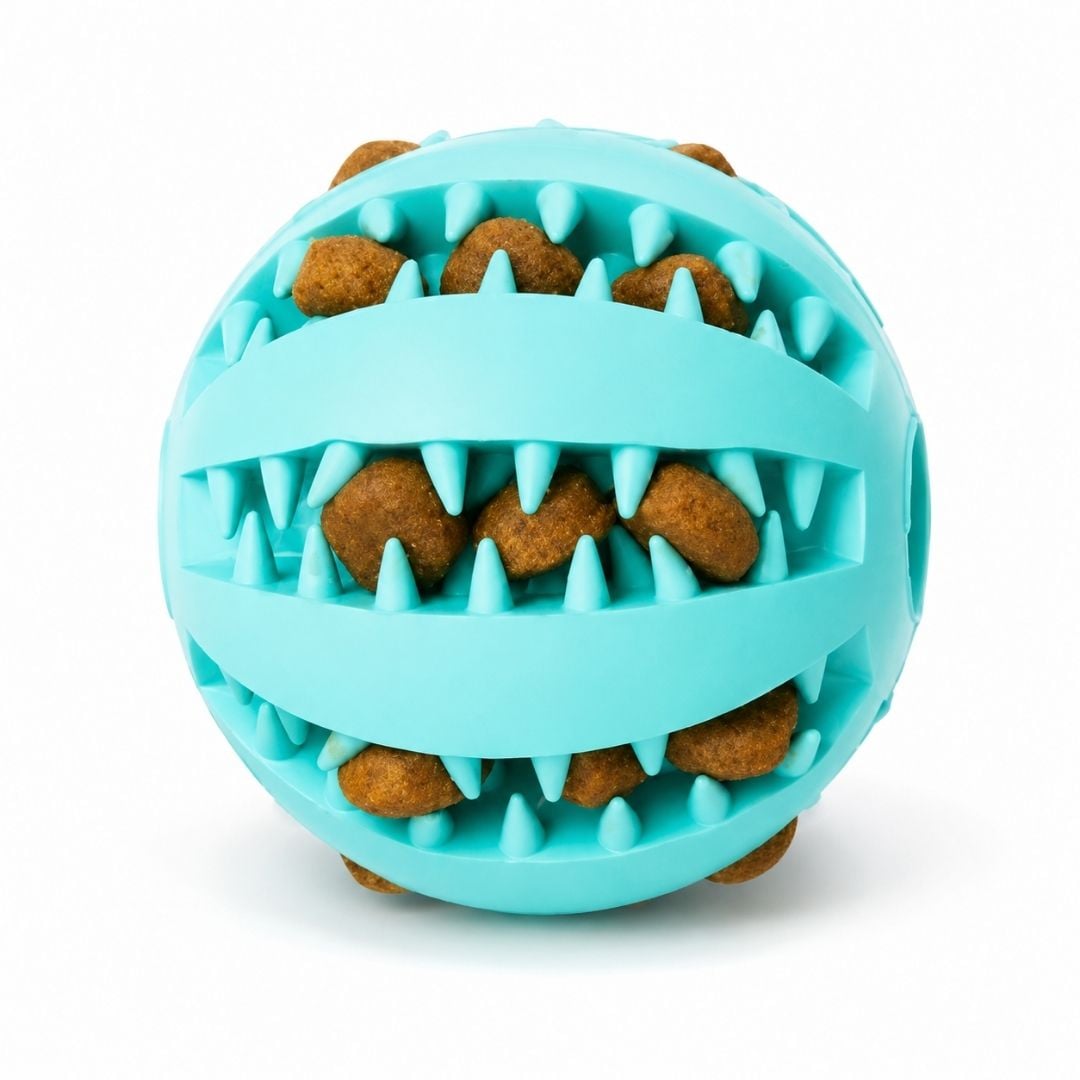
- Add vet-recommended extras. Cornell lists dental diets, dental chews and treats, water additives, oral gels and sprays as options alongside brushing, and stresses safe chewing options.
- Never use human toothpaste. Use dog-specific products only, and ask your vet before starting something new.
- Book a dental check. Your vet can see below the gumline, remove tartar and tell you how often your dog needs a cleaning.
Not sure where to start? Our guide on how to clean your dog’s teeth without a toothbrush walks through a wipe routine, and why your dog’s breath smells explains what bad breath can mean.
How FreshWipes fit into the routine
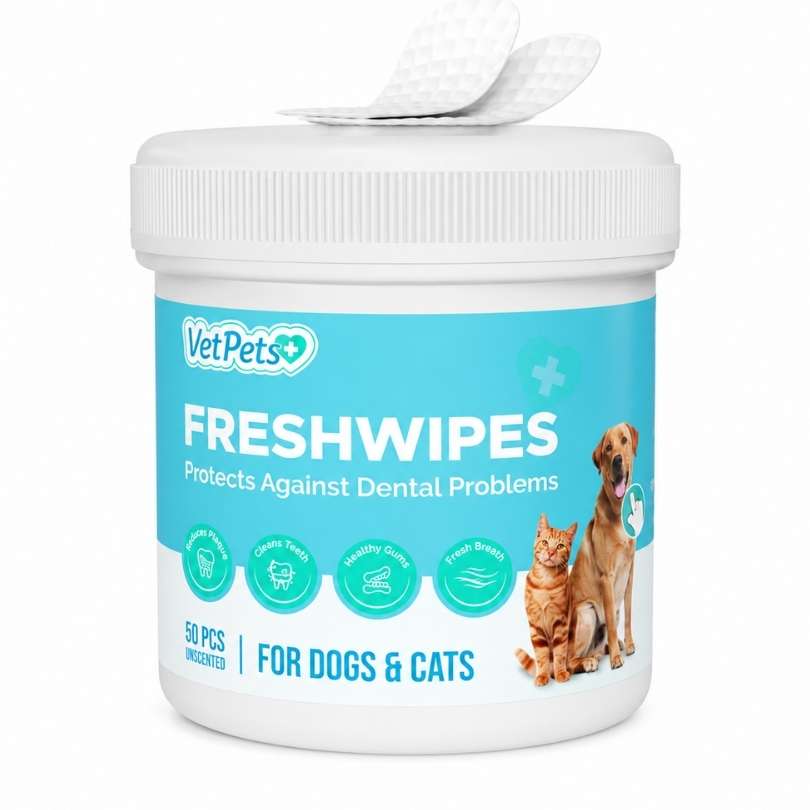
FreshWipes are made for the plaque stage. They are a textured finger wipe that fits over one finger, no toothbrush needed, and are used to physically scrub plaque and food debris off the teeth and along the gumline. They are fragrance-free, alcohol-free, fluoride-free and pH-balanced, and are suitable for dogs and cats of all sizes. Each container holds 50 wipes.
FreshWipes are part of a daily-care routine. They do not treat dental or other disease, they are not a substitute for professional veterinary dental cleaning, and they do not remove hardened tartar. Follow the directions on the pack for how often to use them.
Prefer to see everything in one place? Browse the finger wipes collection.
When to see your vet
Home care keeps plaque down. It cannot remove tartar or treat gum disease. Contact your vet if you notice:
- A yellow or brown crust that does not wipe off
- Bad breath that does not go away
- Red, swollen or bleeding gums
- Difficulty eating or reduced appetite
- Drooling or pawing at the mouth
- Loose, broken or discolored teeth
- Swelling of the jaw or face
Many dogs hide pain. A yearly dental check is worth it, and talk to your vet before starting any new dental product, especially for puppies, seniors and dogs with existing mouth problems.
Frequently asked questions
What is the difference between plaque and tartar in dogs?
Plaque is a soft, sticky film of bacteria on the teeth. Tartar, also called calculus, is plaque that has hardened after minerals in saliva set into it. Plaque can be removed with regular cleaning at home, while tartar needs a professional cleaning.
How fast does plaque turn into tartar?
Cornell’s veterinary college says minerals in saliva can begin hardening plaque into tartar in as short as 24 hours.
Can I remove tartar from my dog’s teeth at home?
No. Once plaque has hardened it will not wipe or brush off. Cornell describes your vet removing plaque and calculus above and below the gum line with ultrasonic and hand scalers during a professional cleaning.
Is wiping my dog’s teeth as good as brushing?
Merck says daily toothbrushing is best, but wiping the teeth with gauze at least every 2–3 days can remove plaque in dogs that do not allow toothbrushing.
Can FreshWipes remove tartar?
No. FreshWipes are a textured finger wipe for the daily routine. They physically scrub plaque and food debris from the teeth and gumline, but they do not remove hardened tartar or treat disease.
Can I use human toothpaste on my dog?
No. Toothpastes made for people should not be used on dogs. Use a pet-specific product and ask your vet if you are unsure.
Sources
- Cornell University College of Veterinary Medicine: Dental disease and home dental care
- Merck Veterinary Manual: Dental Disorders of Dogs
Reviewed by the VetPets Care Team. This guide is educational and does not replace advice from your veterinarian.
Catch plaque before it hardens.
One wipe, a little praise, done. Every order is covered by our 100-Day Money-Back Guarantee.
Explore the daily routine