

How to Clean Your Dog’s Paws After a Walk
A 30-second routine for mud, salt and grit: what to use, how to do it step by step, and the signs that mean call your vet.
The short answer
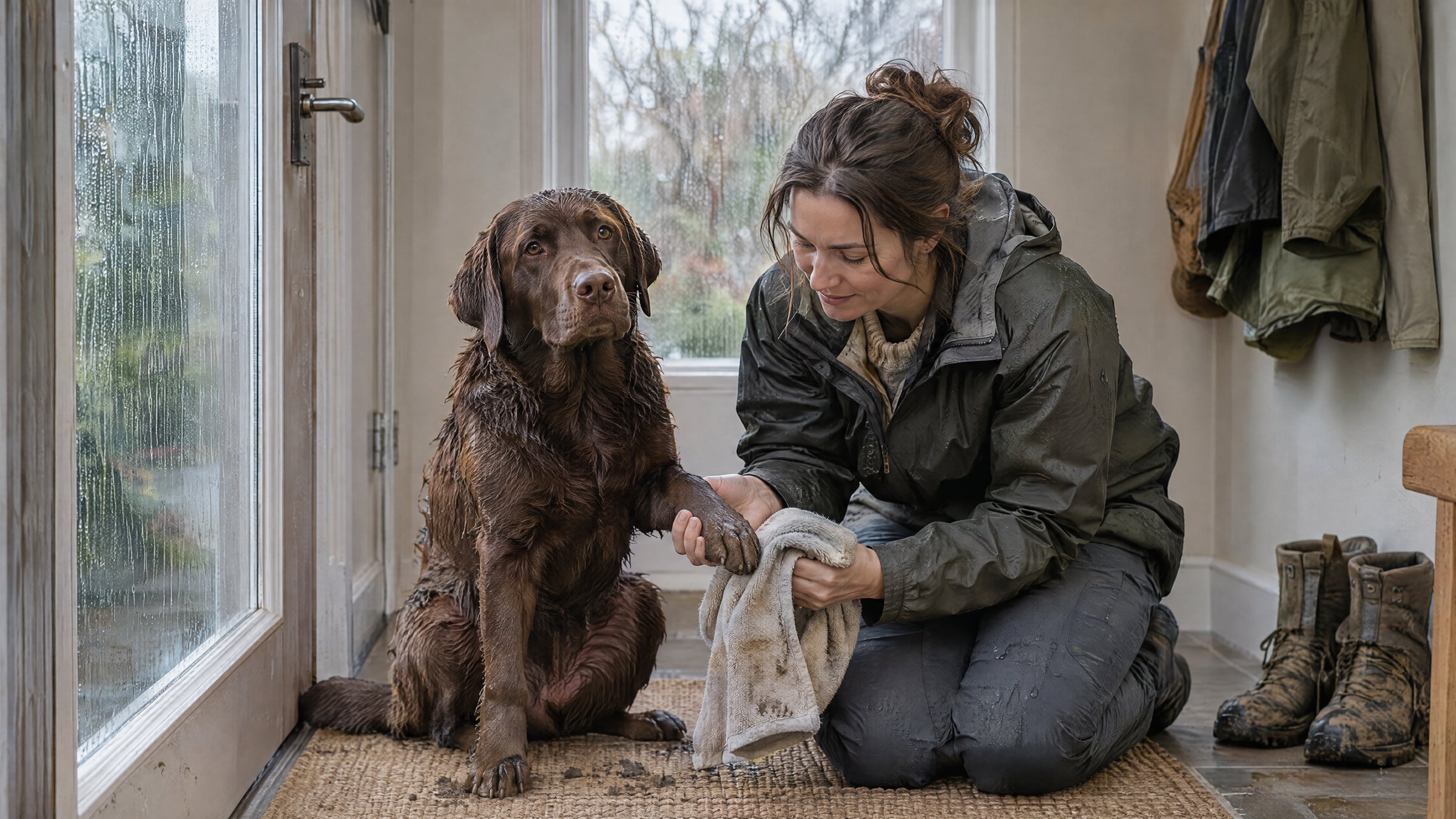
Clean your dog’s paws at the door after walks on muddy, salted or treated ground. Wipe or wash each paw with warm water, a cloth or a grooming wipe, work gently between the pads and toes, then dry them well. It takes about 30 seconds, and it stops dirt and chemicals from being tracked in or licked off. Cracks, redness or a limp are for your vet.
Key takeaways
- Clean paws at the door, before your dog has a chance to lick them.
- The ASPCA advises washing and drying feet after each walk in cold weather to remove ice, salt and chemicals.
- Get between the pads and toes, then dry thoroughly.
- Use the check as a habit: look for cracked pads and redness between the toes.
- Home cleaning is routine care, not treatment for injuries or infections.
In this guide
Why your dog’s paws need cleaning
Paws are the only part of your dog that touches everything on the walk: mud, wet grass, pavement, pollen, grit and whatever has been put down on paths. All of it comes back inside on the pads and between the toes.
The bigger concern is what gets licked off later. VCA Animal Hospitals notes that rock salt and other salt-based de-icers are toxic if eaten off the ground or licked off paws once your dog is inside, and that they are very drying to paw pads and the delicate skin between the toes. A quick clean at the door removes most of it before your dog can lick.
When to clean your dog’s paws
You do not need a full routine for every stroll. A simple rule of thumb: the more the ground has been treated or the muddier it is, the more important the clean.
| Walk | What to do |
|---|---|
| Salted or de-iced paths | Wash or wipe every paw and dry well, every time |
| Mud, puddles, wet grass | Clean between the pads and toes, then dry |
| Pollen season, city pavement | Quick wipe or foam clean at the door |
| Dry day on clean grass | Check the paws and towel off loose dirt |
Paws that look clean can still carry residue. If your dog licks its feet the moment it comes in, treat that as your cue to make the clean a habit.
How to clean your dog’s paws, step by step
- Stay at the door. Clean before your dog wanders through the house. A towel or mat on the floor helps.
- Remove the loose dirt. Knock off caked mud or ice and let your dog stand on a towel.
- Wash or wipe each paw. Use warm water, a cloth or a grooming wipe. VCA recommends this to take chemicals picked up on the sidewalk off the paws.
- Work between the pads and toes. Spread the toes gently and clean the creases where grit and salt collect.
- Dry thoroughly. Dry the pads and between the toes, and the lower legs if they are wet.
- Check as you go. The ASPCA says to look for cracks in the paw pads and redness between the toes.
- Praise and treat. Ending on a reward makes the next time easier.
Go slowly with a dog that dislikes having its feet handled. Touch the paw, reward, and build up over several walks.
Towel, water, wipe or foam: which to use
A towel
Fine for loose mud and for drying. On its own it does not lift residue out from between the pads, so use it as the last step.
Warm water and a cloth
VCA suggests washing or wiping with warm water and a cloth. It is thorough, but a full foot-by-foot wash after every walk is hard to keep up daily, and wet paws need drying.
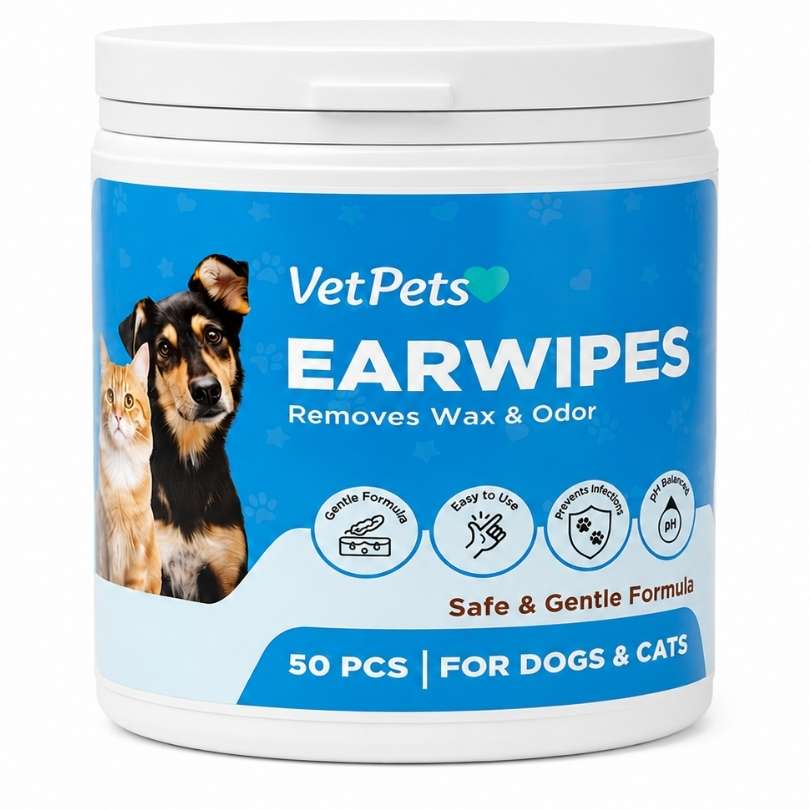
Grooming wipes
Quick and portable. A flat wipe is good for the surface of the pad but can miss what is packed between the toes.
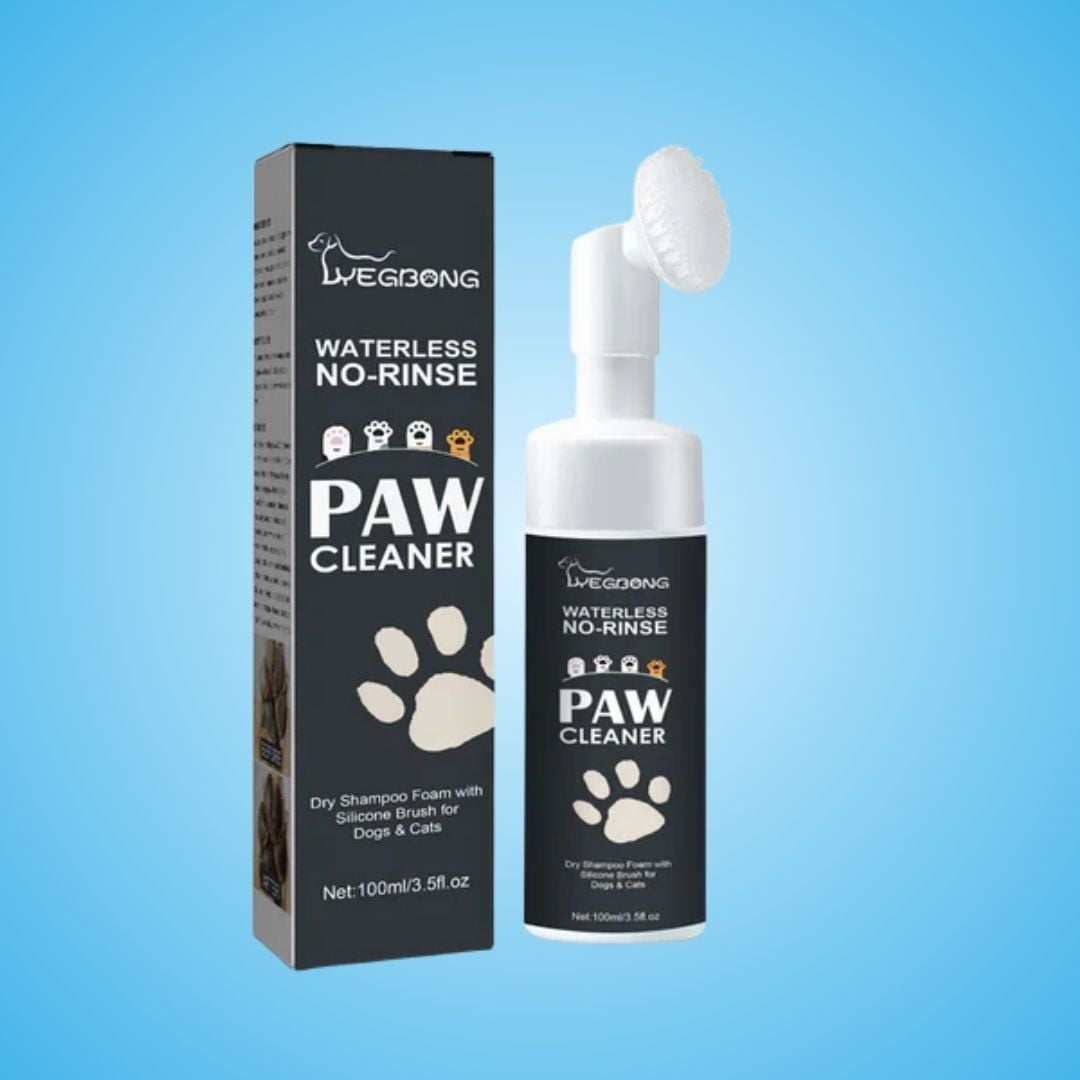
A no-rinse paw foam with a brush
A foam worked in with a small brush reaches between the pads and toes, then you towel dry with no rinse. It suits a daily routine, because it is quick and does not need a sink.
Whatever you choose, the best method is the one you will actually do after every walk.
Mistakes to avoid
- Letting your dog lick first. If de-icer is on the paws, licking it is the problem. Clean first.
- Leaving paws damp. Dry between the toes so moisture does not stay trapped.
- Using human products. Use products made for pets, and ask your vet if your dog has sensitive skin.
- Skipping the check. A 5-second look for cracks and redness catches problems early.
How PawFoam fits into the routine
PawFoam is a no-rinse paw cleansing foam with a built-in textured brush head. The routine is three steps: pump the foam onto the brush, scrub into the pads and toes for about 15 seconds per paw, then wipe dry with a towel. No rinse and no bath. It lifts mud, grit and buildup from between the pads, helps remove the bacteria and residue behind paw odor, and leaves paws soft rather than stripped. It is made for daily use on dogs and cats.
PawFoam is part of a daily-care routine. It is not a treatment for injuries, infections or skin conditions. As with any new product, introduce it gradually and talk to your vet if your pet has known sensitivities. Building a full routine? See the guides on cleaning your dog’s ears at home and cleaning your dog’s eyes safely, or the dog dental care hub.
When to see your vet
Cleaning keeps paws tidy. It cannot treat an injury or an infection. Contact your vet if you notice:
- Cracked, bleeding or sore paw pads
- Redness between the toes
- Limping or holding up a paw
- A swollen paw or toe
- Licking or chewing that does not stop
- Any sign your dog swallowed de-icer or another chemical
If you think your dog has swallowed a chemical, call your vet or an animal poison helpline straight away. Talk to your vet before starting any new product, especially for puppies, seniors and dogs with skin problems.
Frequently asked questions
Do I need to clean my dog’s paws after every walk?
Not always. The ASPCA advises washing and drying your pet’s feet after each walk in cold weather to remove ice, salt and chemicals. On a dry day on clean grass, a quick look and a towel-down is often enough; on a muddy, salted or treated path, clean them.
Can I just use a towel?
A dry towel removes loose mud. VCA suggests washing or wiping with warm water, a cloth or grooming wipes to remove chemicals picked up on sidewalks. A dry towel is good for loose mud and for drying afterwards.
Is it a problem if my dog licks its paws after a walk?
It can be if the paws carry de-icer or other chemicals. VCA warns that salt-based de-icers are toxic if licked off paws once inside, so clean paws before your dog has time to lick. Constant licking at other times is worth a vet visit.
Should I dry between the toes?
Yes. Take a few seconds to dry between the pads and toes so no damp is left behind. Check for cracks in the pads or redness between the toes while you do.
Is PawFoam safe for cats too?
PawFoam is formulated for both dogs and cats and is made for daily use after walks. As with any new product, introduce it gradually and ask your vet if your pet has known sensitivities.
When should I call the vet about my dog’s paws?
If you see cracked or bleeding pads, redness between the toes, a limp, a swollen paw, or licking that will not stop, book your vet. Home cleaning keeps paws tidy; it does not treat an injury or infection.
Sources
Reviewed by the VetPets Care Team. This guide is educational and does not replace advice from your veterinarian.
Make it a 30-second part of every walk.
Clean paws at the door, then on with the day. Every order is covered by our 100-Day Money-Back Guarantee.
See PawFoam