

Dog Paw Care: Guides and Routines
Everything you need to keep your dog’s paws clean and comfortable: a quick after-walk routine, what paw licking can mean, winter protection and the signs that need a vet.
The short answer
Paws pick up mud, grit and, in winter, salt and chemicals, so a quick wipe and a look at the pads after walks is the heart of paw care. Some licking is normal. Constant licking, limping, cracked pads, redness between the toes or a bad smell need a vet, not a home fix.
In this guide
Paw care basics
Your dog’s paws are in contact with everything: wet pavement, trails, floors and, in cold months, de-icing products. Most of the time a short routine is all they need.
What should you check?
ASPCA recommends checking for cracks in the paw pads and for redness between the toes, especially in winter. Look for cuts, anything stuck between the toes and any change from what is normal for your dog.
Is paw licking normal?
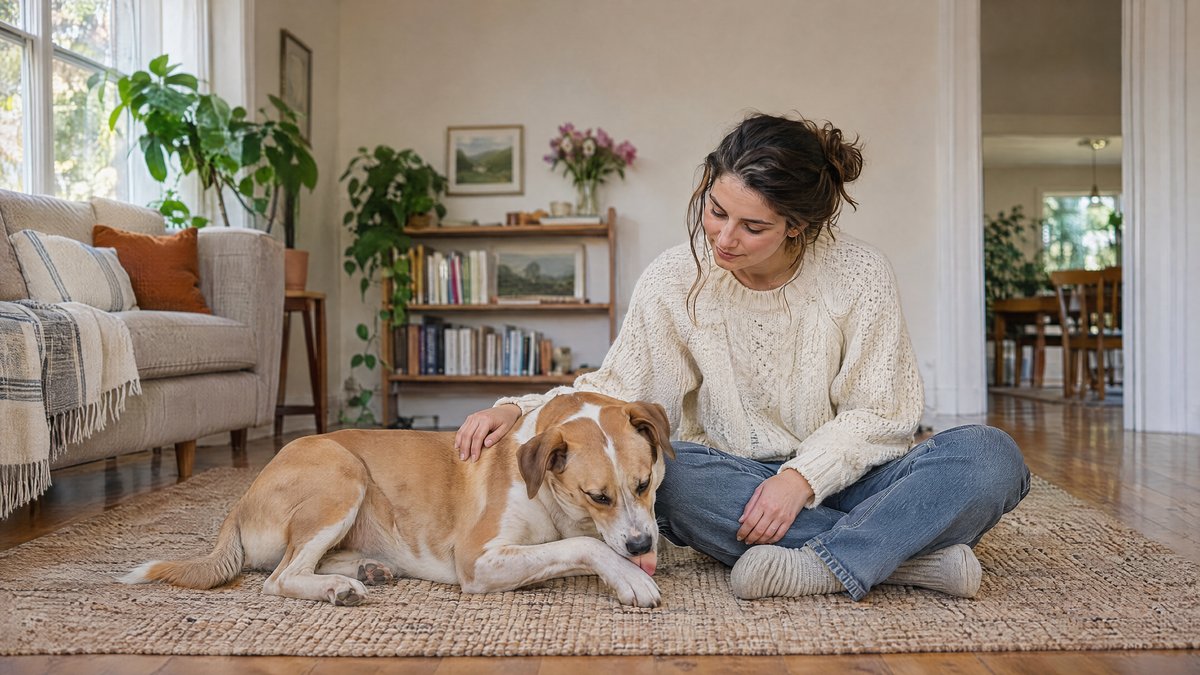
AKC says occasional paw licking is normal self-grooming. Frequent or intense licking is different: possible causes include injuries, skin problems, allergies, parasites, food, boredom or anxiety. If it begins suddenly and centers on one paw, AKC says to examine that paw first.
Our paw care guides
Each guide answers one question in full. Start with the one that sounds most like your dog.
How to clean your dog’s paws after a walk
A step-by-step after-walk routine for mud, grit and buildup between the pads, without a bath.
Why does my dog lick its paws?
The common causes, what to check first and when licking is a reason to call your vet.
Winter paw care for dogs
How to protect paws from salt, snow and ice, and a simple wipe-down routine at the door.
A simple routine you can keep
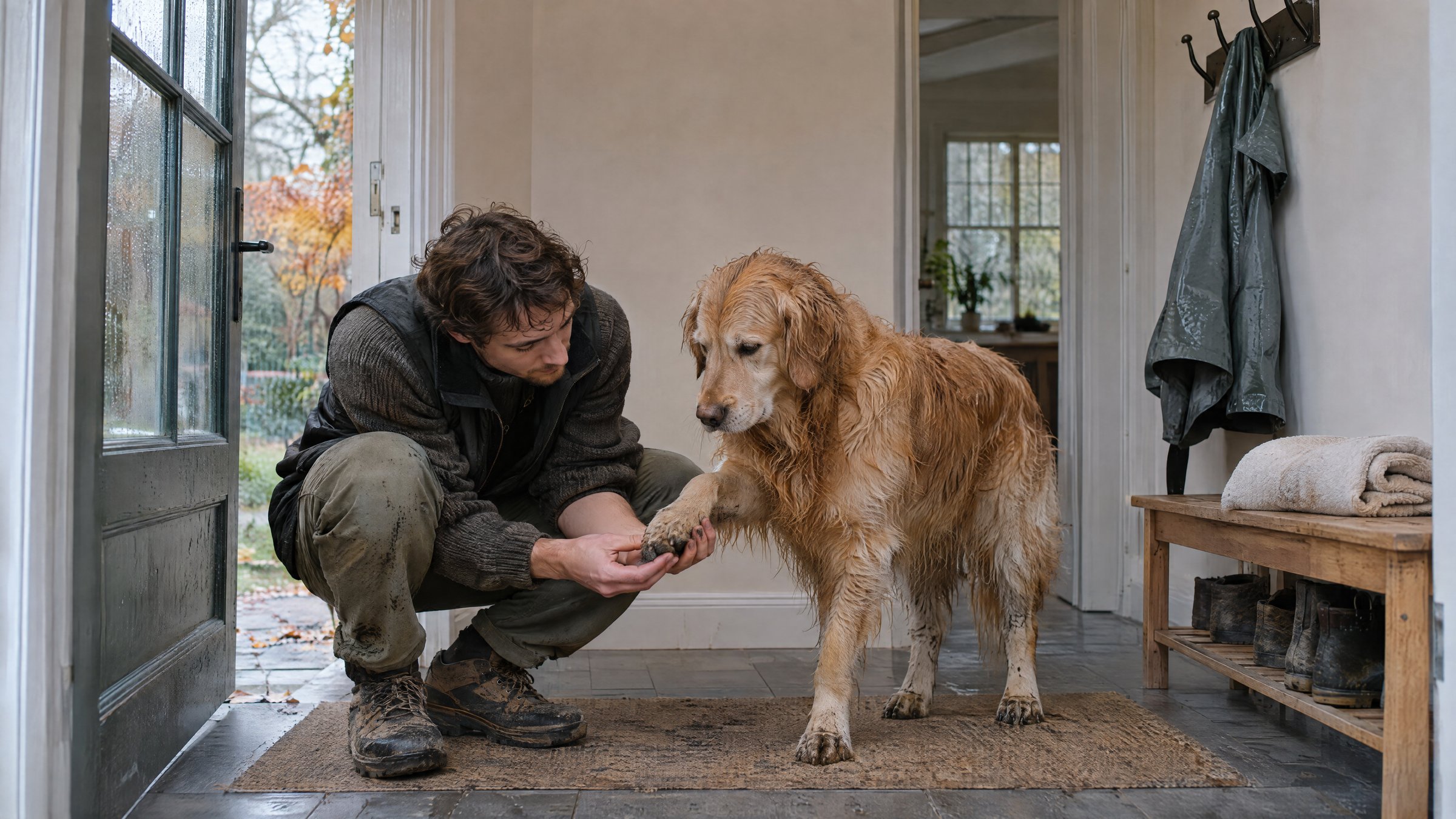
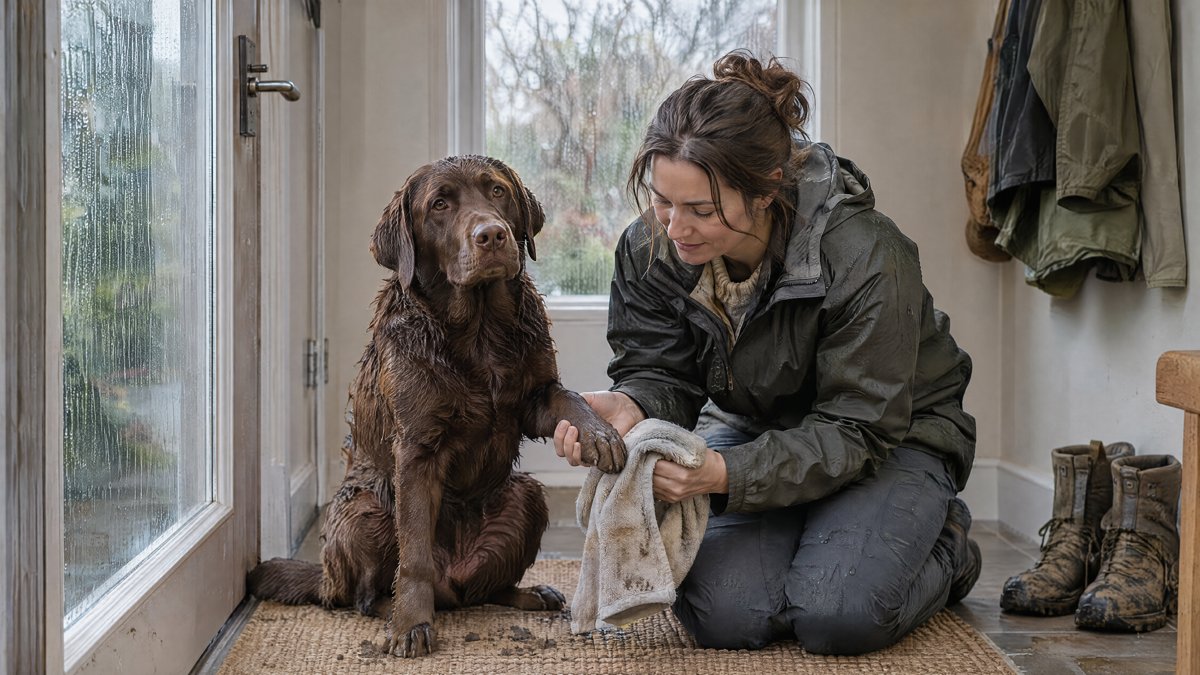
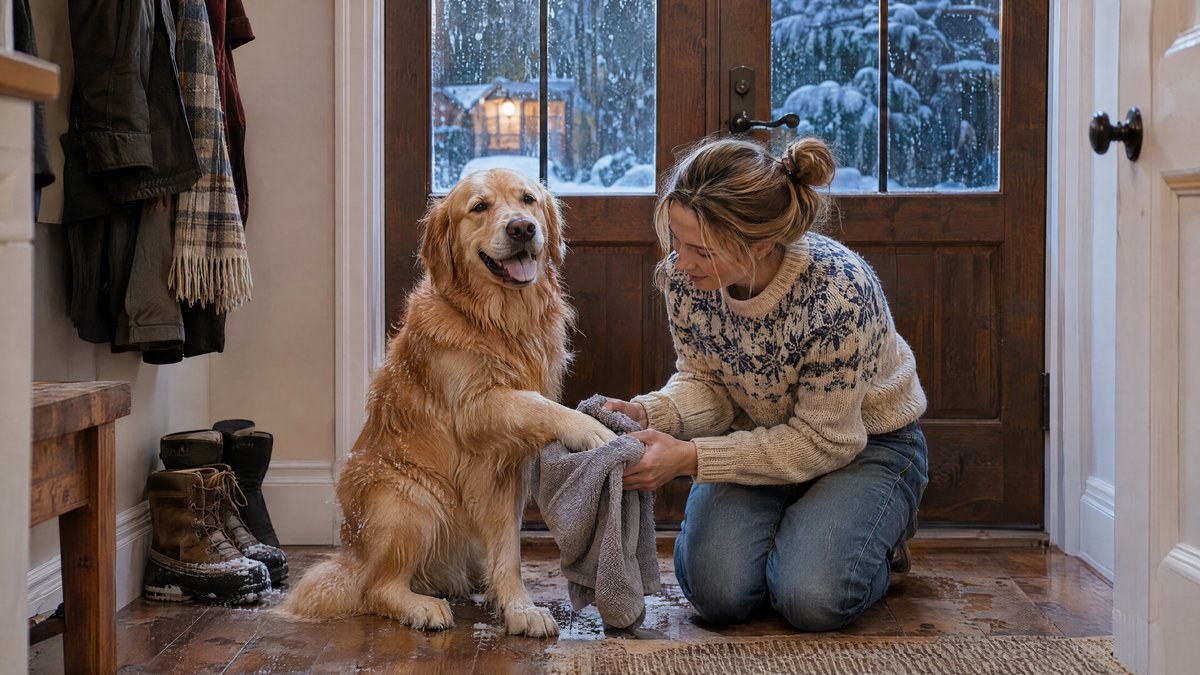
- Keep a towel by the door. PetMD suggests a towel next to the door so you can wipe chemicals or snow off your dog’s feet before they come back inside.
- Wipe or wash after walks. VCA recommends warm water, a cloth or grooming wipes to remove chemicals your dog may have walked through. ASPCA adds that you should dry the feet to remove ice, salt and chemicals.
- Look at the pads and toes. Check for cracks, cuts and redness between the toes while you dry each paw.
- Protect in winter. PetMD calls booties the most reliable protection. ASPCA also suggests paw protectants and pet-friendly ice melts where you can choose them.
- Notice licking. If your dog starts licking much more than usual, check the paws and talk to your vet if the cause is not obvious.
Where PawFoam fits into the routine
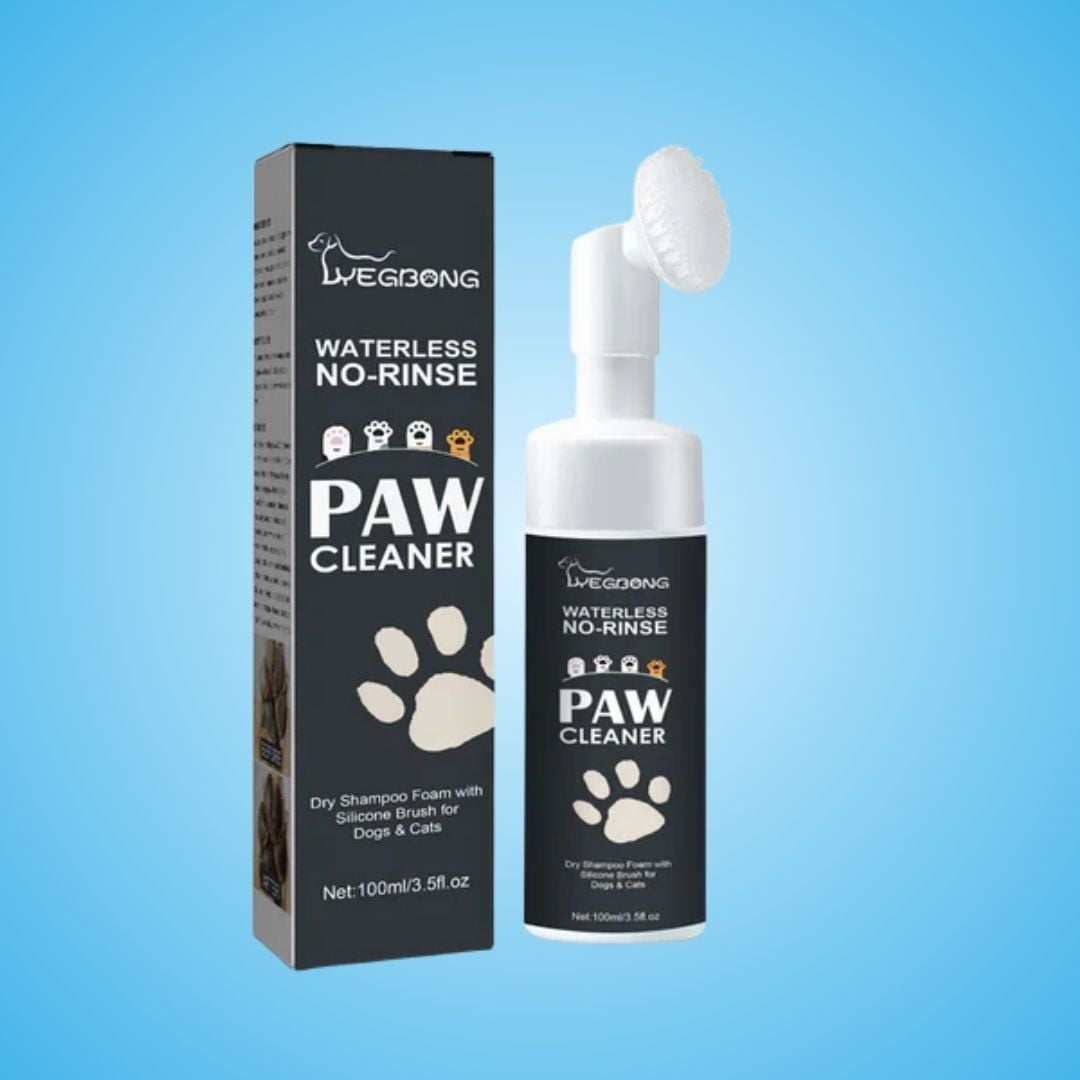
PawFoam is a no-rinse paw cleansing foam with a built-in textured brush head. Pump the foam onto the brush, scrub into the pads and toes for about 15 seconds per paw, then wipe dry with a towel. No rinse and no bath. It lifts mud, grit and buildup from between the pads, and it is made for daily use on dogs and cats.
PawFoam is part of a routine care. It is not a treatment for any paw or skin condition and does not replace a vet exam. Teeth, eyes and ears are part of the same routine: see our dog dental care guides, dog eye care guides and dog ear care guides.
When to see your vet
Cleaning keeps paws tidy. It cannot tell you why a problem appeared. Contact your vet if you notice:
- Limping or holding a paw up
- A cut, a swollen toe or something stuck in the paw
- Cracked, bleeding or very dry pads
- Redness between the toes
- Licking or chewing that is frequent, intense or sudden
- A strong smell or discharge from the paws
PetMD notes that long exposure to cold can cause dryness, cracks and, in extreme cases, frostbite on the paw pads. VCA notes that chemicals picked up on walks are a reason to wash or wipe the paws afterward. Talk to your vet before starting any new paw product.
Frequently asked questions
How often should I clean my dog’s paws?
There is no single rule. VCA recommends washing or wiping paws after a winter walk to remove chemicals from sidewalks and roads, and a quick wipe after any muddy or gritty walk keeps dirt out of the house. A daily look between the toes and pads is a good habit.
What can I use to clean my dog’s paws?
VCA suggests warm water, a cloth or grooming wipes. ASPCA recommends washing and drying the feet to remove ice, salt and chemicals. A no-rinse paw foam is one convenient option for a quick clean.
Is it normal for dogs to lick their paws?
Occasional licking is normal self-grooming, according to AKC. Frequent or intense licking is a sign something may be wrong, with causes ranging from injuries and skin problems to allergies, parasites, boredom or anxiety.
Why does my dog lick just one paw?
AKC says sudden licking focused on one paw is a reason to examine the paw first, for example for a cut, a foreign object or a broken nail, and call your vet if you find an injury or cannot find the cause.
Do dog paws need protection in winter?
PetMD says dog paws can get dry, cracked and, in extreme cases, frostbitten in cold weather, and calls booties the most reliable protection. ASPCA suggests paw protectants, pet-friendly ice melts and wiping the feet after every walk.
Can PawFoam treat a paw problem?
No. PawFoam is a daily cleansing product for dirt, grit and buildup on paws. It is not a treatment for any skin or paw condition and does not replace a vet exam.
Sources
- American Kennel Club: Why Does My Dog Lick and Chew Their Paws?
- PetMD: How to Protect Dog Paws in Winter
- VCA Animal Hospitals: Be Careful With Ice Melt
- ASPCA: Cold Weather Safety Tips
Reviewed by the VetPets Care Team. This page is educational and does not replace advice from your veterinarian.
Make paw checks a calm habit.
A quick look, a gentle clean, a little praise. Every order is covered by our 100-Day Money-Back Guarantee.
See PawFoam