

Why Does My Dog Lick Its Paws? Causes and What to Do
The common reasons dogs lick and chew their paws, what to check at home, a simple paw-care routine, and the signs that mean call your vet.
The short answer
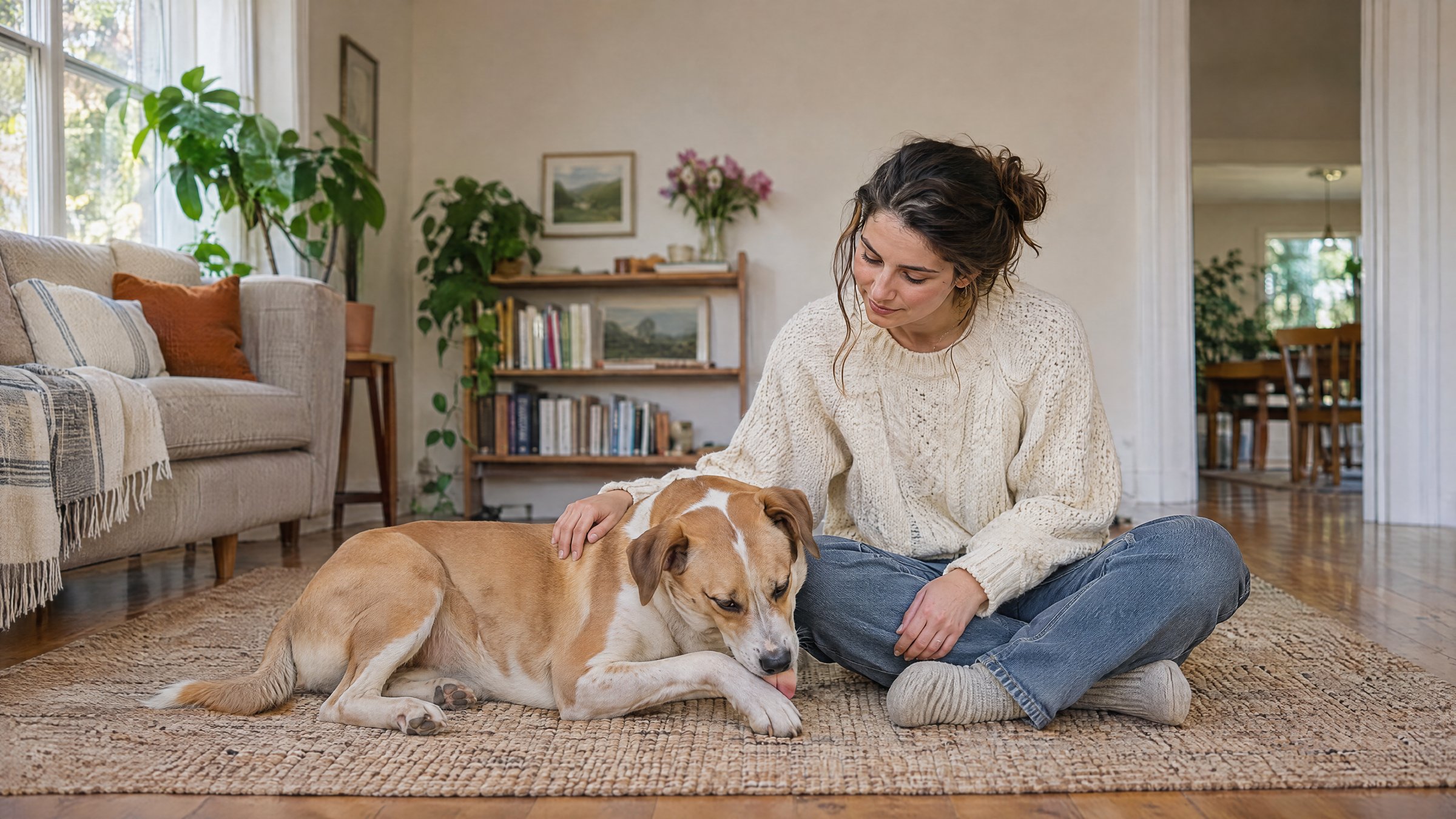
Most dogs lick their paws because something itches or hurts. VCA Animal Hospitals names allergies as the most common cause, and parasites, infections, injuries, pain and boredom or anxiety are other reasons. Check the paws for anything stuck or sore, wipe them after walks, and see your vet if the licking is frequent, intense or focused on one paw.
Key takeaways
- Itchiness is one of the most common reasons dogs lick their paws, and allergies are the most common cause behind it.
- Fleas, ticks, mange, injuries, arthritis pain and compulsive habits can also be behind it.
- Constant licking keeps paws moist and can lead to a secondary bacterial or yeast infection.
- Sudden licking of one paw is a reason to look closely and to call your vet.
- Wiping paws after walks is helpful routine care. It does not treat allergies or infections.
In this guide
Is paw licking normal?
Dogs groom themselves, so an occasional lick of a paw is nothing to worry about. It becomes a question when the licking is frequent and intense, when it starts suddenly and focuses on one paw, or when it keeps going after you have ruled out the simple causes. Those are the situations the American Kennel Club lists as reasons to see your vet.
The reason to take it seriously early is the cycle it can start. AKC explains that the moisture from constant licking can cause a secondary bacterial or yeast infection, which then causes even more itching, redness, swelling and licking.
Common causes of paw licking
The Merck Veterinary Manual says itching is a sign, not a diagnosis, and that the most common causes of itching are parasites, infections and allergies. Here is how that plays out on the paws.
| Cause | What it can look like | What to do |
|---|---|---|
| Allergies | Itchy feet, often also the face; may come and go with the seasons or a food | See your vet to work out the trigger |
| Parasites | Very itchy paws from fleas, ticks or mange | Vet check; year-round flea and tick prevention |
| Infection | Redness, swelling, more licking; often follows constant licking | Vet check |
| Injury or something stuck | A cut, torn nail, growth, stone, thorn or ice ball; often one paw | Look gently; call your vet if you find a wound |
| Pain | Licking a paw over a sore joint, for example with arthritis | Vet check |
| Boredom or anxiety | Repetitive licking with no sign of irritation | More exercise and play; ask your vet |
Allergies
VCA says the most common cause of paw licking is allergies. The itch comes from an immune system overreaction to airborne allergens that get in through a weakened skin barrier. Food ingredients and direct contact with certain substances can also be triggers. The Merck Veterinary Manual lists pollens, molds and dust among environmental allergens, and says a vet may use a diet trial to test for food allergy.
Parasites
Fleas and ticks can make paws very itchy, according to VCA. AKC adds mange to the list. VCA says year-round flea and tick preventives can eliminate and prevent fleas and ticks, which relieves that itch.
Injuries and irritants
AKC says to look for a cut, torn nail, growth, or a stone, thorn or ice ball stuck between the pads. Stings, blisters, and irritation from hot or salted pavement count too, as can yard chemicals, de-icing products and certain grasses or weeds.
Pain, boredom and anxiety
A dog with arthritis or another foot or leg problem may lick a paw, and AKC says pain elsewhere in the body can also lead to it. Some dogs develop compulsive habits, including paw licking, so boredom and anxiety are worth considering once your vet has ruled out a physical cause.
What to check at home
A two-minute look often tells you whether this is an emergency, a mystery or a habit. AKC recommends checking between the toes and pads, at the nails and on the tops of the feet.
- Pick a calm moment and sit with your dog in good light.
- Spread the toes gently and look between the pads for a stone, thorn, burr, ice ball or cut.
- Check the nails and the skin around them. A torn or cracked nail can be painful.
- Look at the skin for redness, swelling or moisture, and notice any smell.
- Compare all four paws. One paw that looks different is useful information for your vet.
- Stop if your dog pulls away in pain, and call your vet.
What helps at home
- Wipe paws when you come in. AKC suggests keeping a towel and water by the door to gently clean the paws after walks. This clears pollen, grit and de-icing products before they can be licked off. Our guide on how to clean your dog’s paws after a walk has the full routine.
- Keep up flea and tick prevention. VCA recommends year-round preventives.
- Add exercise and play. For boredom, AKC suggests longer walks, more play and puzzle or safe chew toys.
- Dry paws well. Damp skin between the toes is where trouble starts.
- Write down what you notice. Time of year, time of day and what your dog ate or walked through help your vet find the cause.
How PawFoam fits into the routine
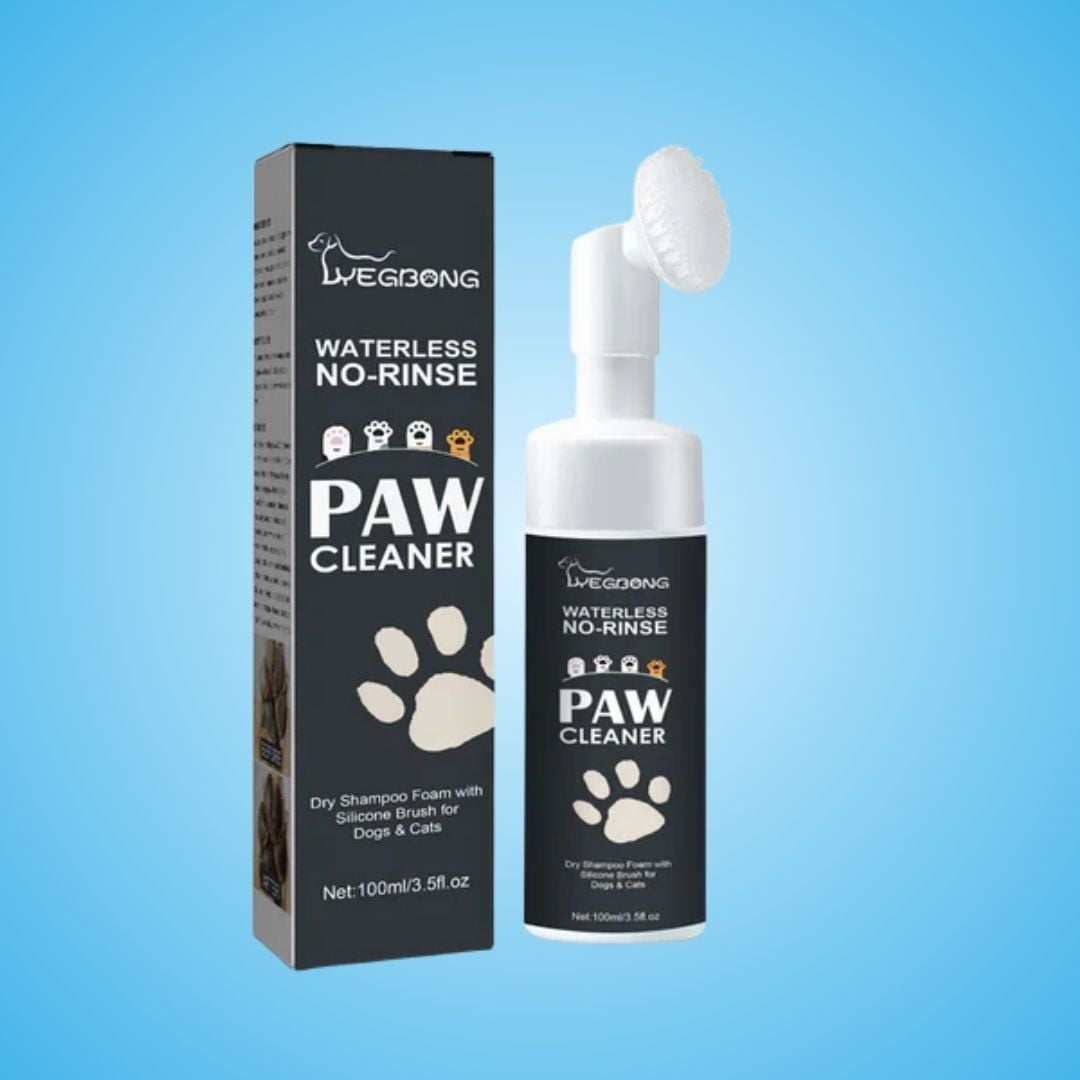
PawFoam is a no-rinse paw cleansing foam with a built-in textured brush head. The routine is three steps: pump the foam onto the brush, scrub into the pads and toes for about 15 seconds per paw, then wipe dry with a towel. No rinse and no bath. It lifts mud, grit and buildup from between the pads, and leaves paws soft rather than stripped. It is made for daily use on dogs and cats.
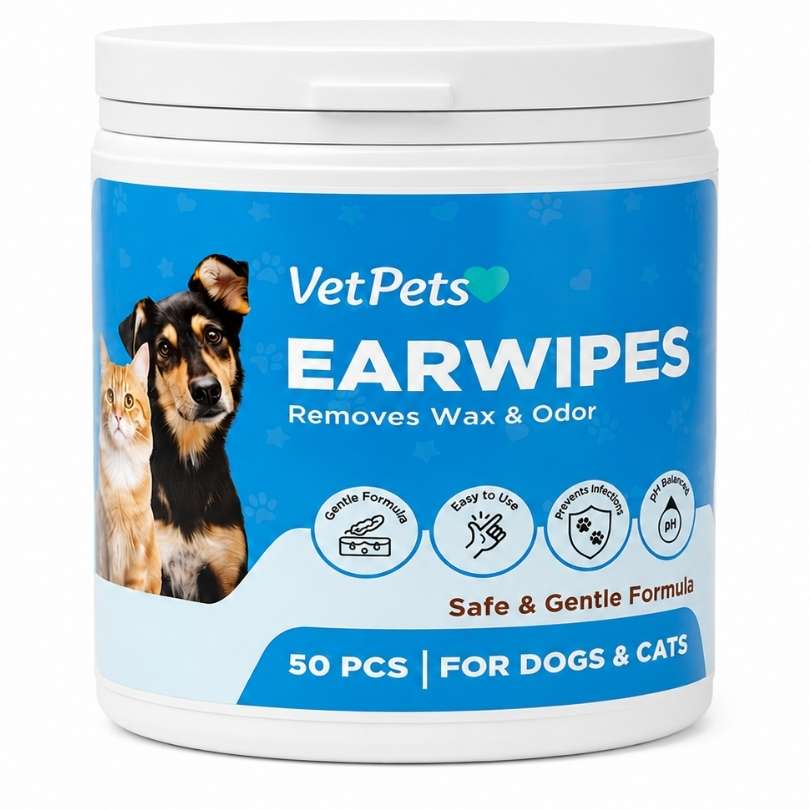
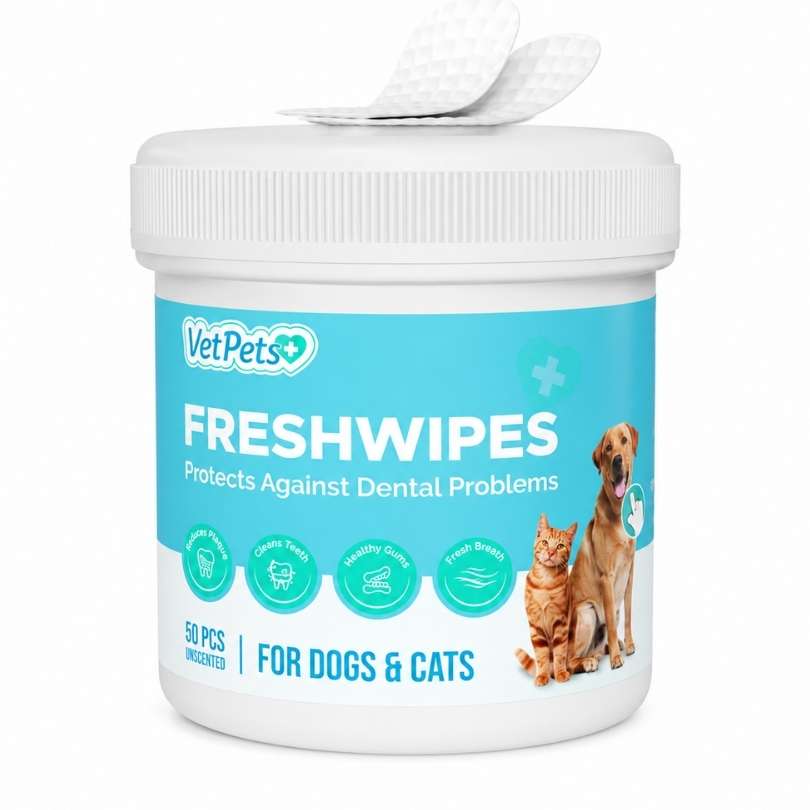
PawFoam is part of a daily-care routine. It is not a treatment for allergies, injuries, infections or skin conditions, and it will not stop licking that has a medical cause. Introduce it gradually and talk to your vet if your pet has known sensitivities. Building a fuller routine? Read about cleaning your dog’s ears at home or visit the dog dental care hub.
When to see your vet
Home care cannot diagnose why your dog is licking. Contact your vet if you notice:
- Licking that is frequent and intense
- Sudden licking that focuses on one paw
- A wound, an embedded object or an unusual growth
- Redness, swelling, bleeding or limping
- Licking that continues after you have ruled out simple causes
- Licking together with scratching, skin changes or a strong smell
Your vet can check for parasites and infection, look for allergies, and build a plan around the cause. Do not wait long, because constant licking can lead to infection.
Frequently asked questions
Is it normal for a dog to lick its paws?
A little licking, for example a quick tidy after a walk, is common. What deserves attention is licking that is frequent, intense, focused on one paw or that continues after you have ruled out simple causes. AKC says to see your vet in those cases.
What is the most common reason dogs lick their paws?
VCA Animal Hospitals says the most common cause of paw licking is allergies, with itchiness as one of the most common reasons overall. Fleas, ticks and other parasites are another frequent cause. Only your vet can work out which applies to your dog.
Why does my dog lick just one paw?
Sudden licking of a single paw can point to something local, such as a cut, a torn nail, a growth, or a stone, thorn or ice ball stuck between the pads. AKC lists this pattern as a reason to see your vet. Check the paw gently, and call your vet if you find a wound or cannot see a cause.
Can constant paw licking cause an infection?
Yes. AKC explains that the moisture from constant licking can cause a secondary bacterial or yeast infection, which leads to more itching, redness, swelling and licking. This is one reason not to wait long when licking continues.
Can wiping my dog’s paws after walks help?
AKC suggests keeping a towel and water by the door to gently clean your dog’s paws when you come inside. That can remove pollen, grit and de-icing products that may irritate paws. It is routine care, not a treatment for allergies or infections.
Should I stop my dog from licking its paws?
Scolding does not address the cause. Look at why your dog is licking, check the paws, and talk to your vet if it keeps happening. Your vet can look for parasites, infection, allergies or pain and suggest a plan.
Sources
- VCA Animal Hospitals: Why Is My Dog Licking & Biting Their Paws?
- American Kennel Club: Why Does My Dog Lick Their Paws?
- Merck Veterinary Manual: Itching (Pruritus) in Dogs
Reviewed by the VetPets Care Team. This guide is educational and does not replace advice from your veterinarian.
Clean paws at the door, every walk.
A quick, gentle routine your dog will accept. Every order is covered by our 100-Day Money-Back Guarantee.
See PawFoam