








Why Do My Dog’s Ears Smell?
The common causes of a smelly ear, the signs that mean a vet visit, and what is safe to do at home in the meantime.
The short answer
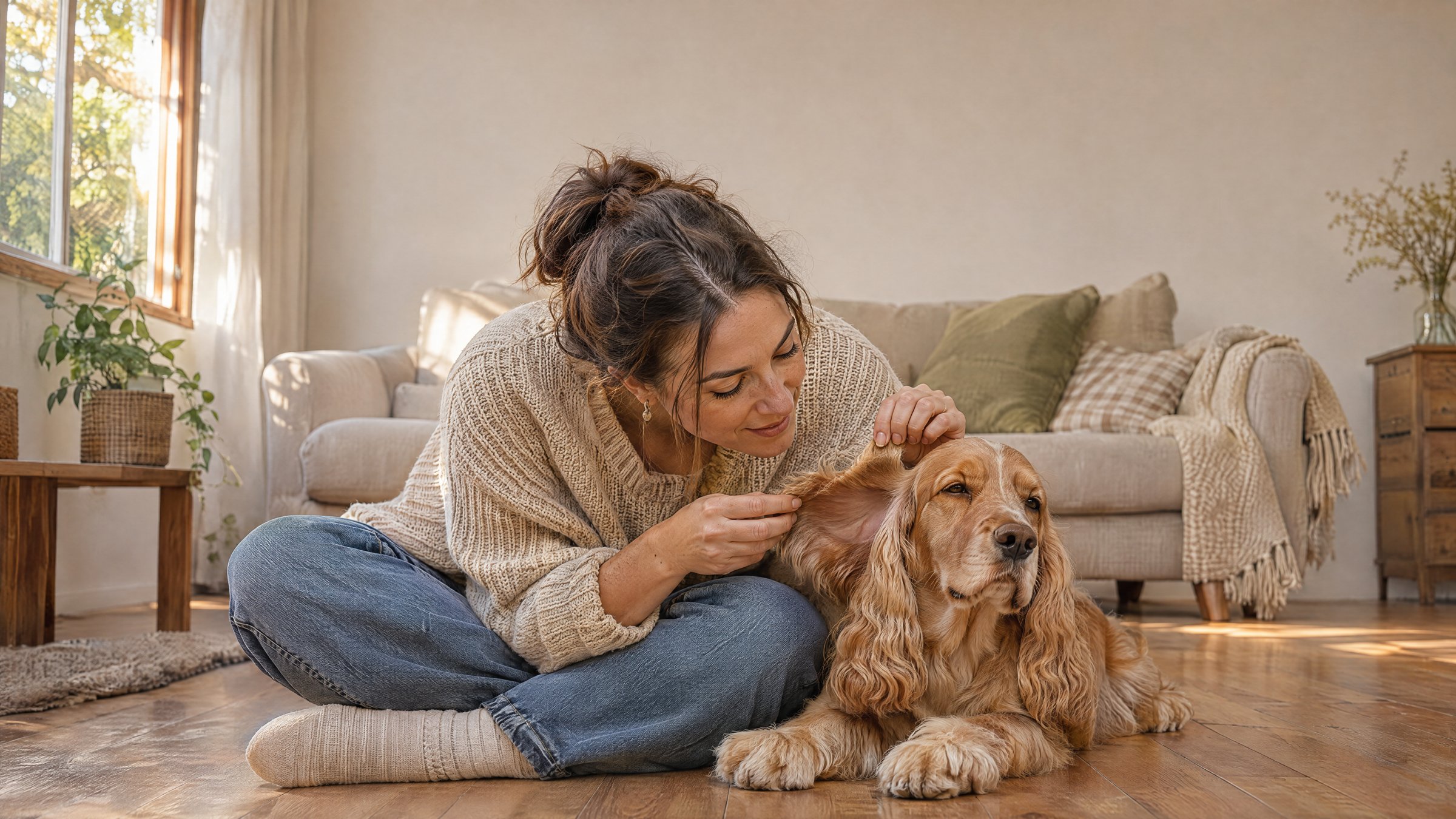
A dog’s ears usually smell when something is building up inside: wax and debris, or an infection caused by bacteria or yeast, often linked to allergies. A faint smell can be normal, but a new, strong or sour odor, especially with redness, discharge or head shaking, is a reason to call your vet, because only a vet can see which cause it is.
Key takeaways
- Smell alone cannot tell you the cause. Bacteria, fungi, ear mites and allergies can all lead to a bad odor.
- Red, inflamed or painful ears should be seen by a vet before you clean them.
- Dogs with large, floppy or hairy ears are more prone, but any breed can have ear trouble.
- Never push a cotton swab into the canal, and do not rely on over-the-counter ear drops.
- Wipes help with routine care of the outer ear. They do not treat an infection.
In this guide
Why dog ears get smelly
When wax and debris build up in the ear, or when the skin of the ear becomes irritated or infected, an odor can develop. It is often the first thing owners notice, before they see anything inside the ear.
VCA Animal Hospitals notes that ears affected by infection often become red and inflamed and may develop a bad odor. Many dogs also shake their heads and scratch their ears to try to get rid of debris and fluid. So the smell is a signal to look closer, not a diagnosis.
The common causes of smelly ears
| Cause | What it can look like | What it means for you |
|---|---|---|
| Bacteria | Redness, bad odor, yellowish or dark discharge | Needs a vet to confirm and treat |
| Fungi (yeast) | Odor, discharge, scratching | Needs a vet to confirm and treat |
| Ear mites | Black discharge, scratching, head shaking | More common in puppies and kittens; can pass to other pets |
| Allergies | Repeated ear problems, often with itchy skin | Treating the root cause matters; ask your vet |
| Other causes | Hormonal disease, foreign bodies, polyps or growths | May need more than medication |
Bacteria and fungi
VCA lists several kinds of bacteria and at least one type of fungus as common causes of ear infections. You cannot tell which one is involved from the smell, which is why a vet needs to examine the ear.
Ear mites
Mites cause signs that look much like an infection: black discharge, scratching and head shaking. VCA says they are more common in puppies and kittens, and that adult dogs can catch them from an infected puppy or cat. Mites also create conditions that often lead to a secondary bacterial or fungal infection.
Allergies
VCA reports that allergies are involved in up to 43% of ear infection cases, especially chronic or recurrent ones, and that ear infections occur in 65% to 80% of dogs with food allergies. If the smell keeps returning, your vet may look at allergies rather than only the ear.
Other causes
Hormonal disease such as hypothyroidism can lead to repeated infections, and foreign bodies, polyps or tumors may need more than medication. This is another reason a repeat smell deserves a proper exam.
Which dogs are most at risk
According to VCA, dogs with large, floppy or hairy ears, such as cocker spaniels, miniature poodles and Old English sheepdogs, tend to be affected more often. Any breed can develop ear problems, though, including dogs with upright ears. If your dog is in the higher-risk group, a quick look and sniff at each ear on a regular day makes it easier to notice a change early.
Signs that go with the smell
The smell matters more when it comes with something else. Watch for:
- Head shaking or scratching at one or both ears.
- Redness or swelling of the ear flap or the opening of the canal.
- Discharge. VCA says a black or yellowish discharge commonly occurs.
- Crusty or thickened ears, which VCA links to long-running cases.
- Signs of pain, such as pulling away when you touch the ear.
What you can do at home
Home care is about routine, not treating a problem. These steps are safe for a dog whose ears look normal:
- Look and sniff once a week. Lift the ear flap and look at the inside. Knowing what is normal for your dog makes a change easy to spot.
- Wipe only what you can see. Use a soft wipe or gauze over your finger on the ear flap and the visible part of the ear.
- Never use a cotton swab in the canal. VCA says never to use a cotton-tipped applicator to remove solution from the ear canal, because it can damage the canal or eardrum and push debris further in.
- Do not over-clean. VCA warns that over-cleaning can irritate the ear canal and lead to infection. Some dogs with healthy, clean ears may never need their ears cleaned.
- Stop if it hurts. VCA says if your dog appears to be in pain during cleaning, stop and consult your veterinarian.
If the ears are red, inflamed or painful, skip the cleaning and call your vet first. VCA says your dog may have an ear infection or a ruptured eardrum. For the full routine, see our guide on how to clean your dog’s ears at home.
And if what you smell is the mouth rather than the ears, our guide to why a dog’s breath smells and the dog dental care hub cover that. You can browse every topic in all VetPets guides.
How EarWipes fit into the routine
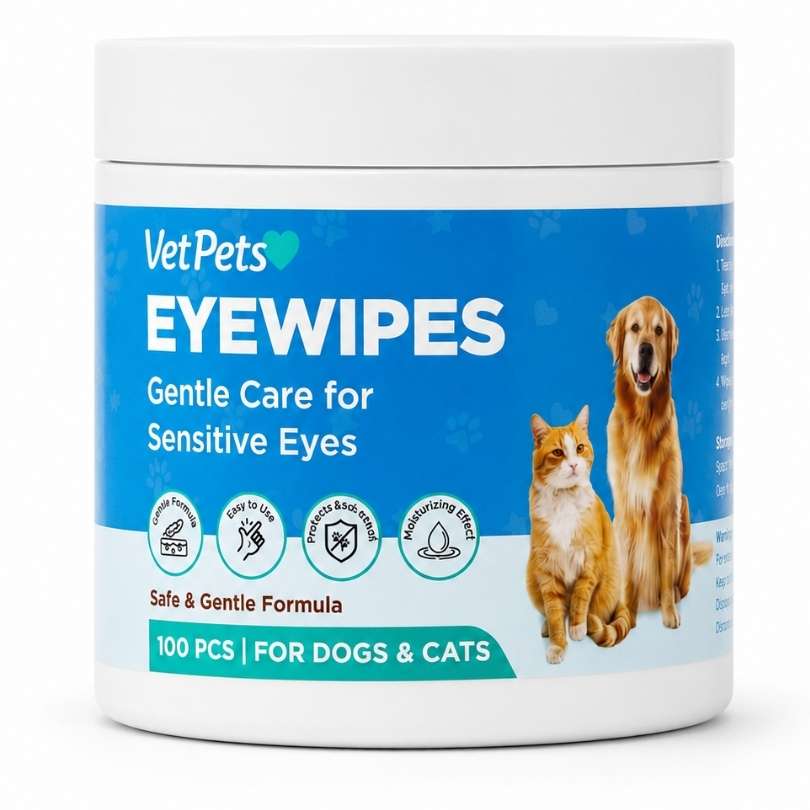
EarWipes are a finger wipe made for the outer ear. You slip one over a finger and wipe the ear flap and the part of the ear you can reach, to remove wax, buildup, debris and odor, with no liquid to pour. The pack holds 50 wipes and is made for dogs and cats.
EarWipes are part of routine care. They do not reach the deep ear canal, they are not a treatment for an ear infection, and they do not replace a vet exam. Follow the directions on the pack.
When to see your vet
A smell that is strong, new or keeps coming back is reason enough to book a visit. Go sooner if you notice:
- Red or swollen ears
- Black or yellowish discharge
- Constant scratching or head shaking
- Pain when the ear is touched
- A swollen ear flap
- Ears that look crusty or thickened
VCA says your veterinarian must diagnose the exact cause, and checks that the eardrum is intact before choosing a medication. Untreated infections can lead to a painful blood-filled swelling of the ear flap or to eardrum damage and hearing loss.
Frequently asked questions
Is it normal for a dog’s ears to smell?
A faint, mild ear smell can be part of a normal dog, but a new, strong or sour odor is worth noticing. VCA says ears with an infection often become red and inflamed and may develop a bad odor. If the smell comes with redness, discharge or scratching, call your vet.
What does a yeast ear infection smell like?
Owners often describe a musty or sour smell, but you cannot tell the cause from the smell alone. VCA lists bacteria and fungi as common causes of ear infections, and says your veterinarian must diagnose the exact cause of the problem.
Can I clean a smelly ear at home?
VCA says to check with your veterinarian before cleaning if the ears are red, inflamed or painful. For a dog with healthy ears and light wax, gentle cleaning of the ear flap is fine, but an odor that keeps coming back needs a vet to look inside the ear.
Which dogs get smelly ears most often?
VCA names dogs with large, floppy or hairy ears, such as cocker spaniels, miniature poodles and Old English sheepdogs, though any breed can be affected. Allergies are also involved in many repeat cases.
Can I use over-the-counter ear drops for a smelly ear?
VCA advises against relying on over-the-counter drops, because your veterinarian must work out the exact cause, and some medications can cause hearing loss if the eardrum is ruptured. Ask your vet first.
Sources
Reviewed by the VetPets Care Team. This guide is educational and does not replace advice from your veterinarian.
Make ear checks a calm weekly habit.
A look, a sniff and a gentle wipe of the outer ear. Every order is covered by our 100-Day Money-Back Guarantee.
Explore EarWipes