





How Often Should You Clean Your Dog’s Ears?
There is no single schedule. Here is how to tell whether your dog needs a weekly clean or almost none, and when to leave the ear alone.
The short answer
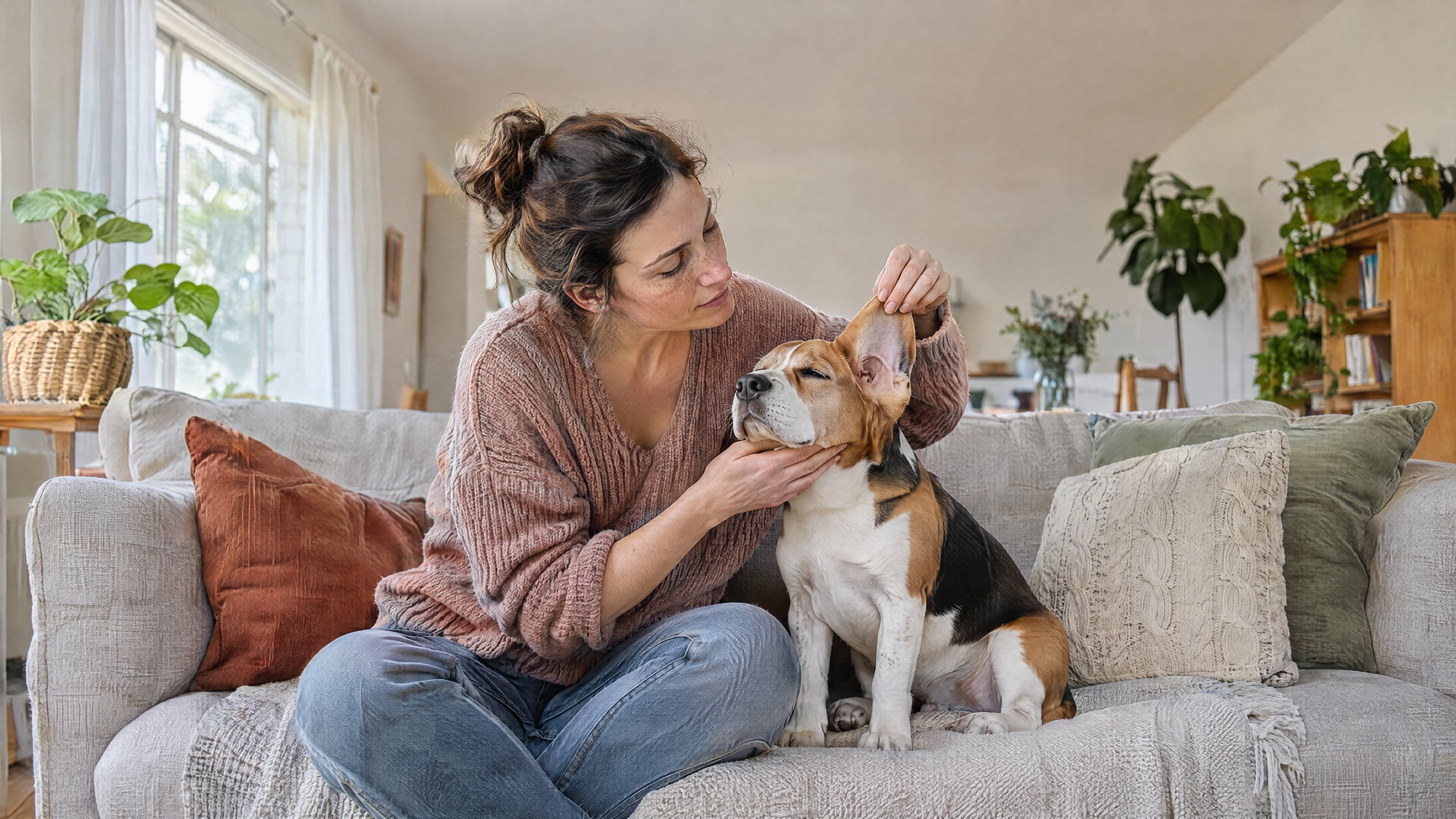
Check your dog’s ears regularly, and clean them when you see dirt or debris. Cornell’s veterinary college says a dog with healthy ears only needs a routine clean when dirt is noticed, while dogs prone to ear infections may need maintenance cleaning every 1–2 weeks. Cleaning more than your dog needs can irritate the ears.
Key takeaways
- A healthy ear is pink, odorless and clean. If it looks like that, it usually needs a look, not a clean.
- Dogs with floppy ears, allergies or past ear infections may need cleaning more often, sometimes every 1–2 weeks.
- Over-cleaning can irritate the ear, so more is not better.
- Never use cotton swabs, alcohol or hydrogen peroxide.
- Redness, odor, discharge, head shaking or pain mean a vet visit, not a home clean.
In this guide
What a healthy dog ear looks like
The AKC describes a healthy ear as pink, odorless, and not dirty or inflamed. That is the baseline you are comparing against. A quick look and sniff once a week, for example during a cuddle or after a bath, tells you far more than a fixed cleaning date does.
Some dogs have naturally clean ears and may almost never need cleaning, according to the AKC. Others build up wax and debris faster. Your dog’s ears, not the calendar, set the schedule.
How often to clean, by situation
| Your dog | What sources say | Keep in mind |
|---|---|---|
| Healthy, normal ears | Clean only when dirt or debris is noticed (Cornell) | Check regularly; over-cleaning can irritate |
| Prone to ear infections | Maintenance cleaning could be every 1–2 weeks (Cornell) | Ask your vet to set the rhythm |
| Floppy ears, allergies or a history of ear infections | May need cleaning more frequently (Cornell) | Moisture and wax are easier to trap |
| Swims often | Gentle cleaning or vet-recommended drying products can help (AKC) | Dry the outer ear afterwards |
| Active ear infection | Cleaning is part of treatment and can be up to daily at first (Cornell) | Only on your vet’s instructions |
These are ranges, not rules. The right rhythm for your dog is the one your vet agrees on after looking at the ears.
Which dogs need ear care more often
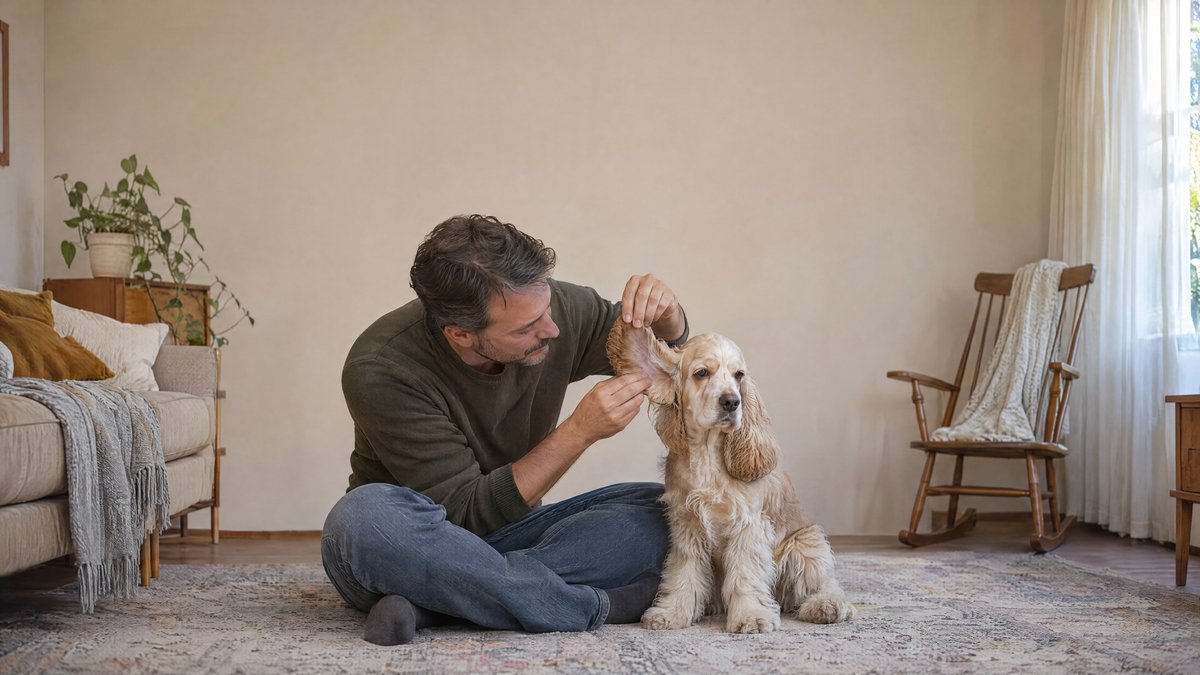
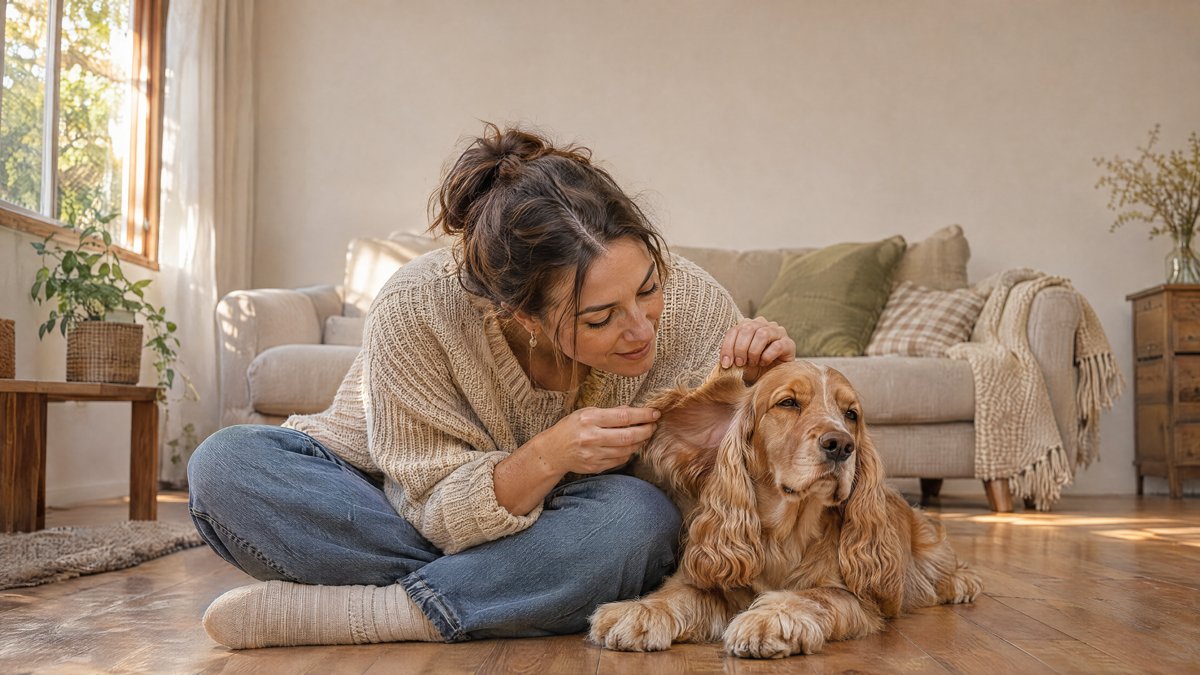
The AKC says dogs with long ears, such as Basset Hounds and Cocker Spaniels, are among those at highest risk of ear infections, although any dog can get one. Cornell adds dogs with allergies or recurrent infections to the list of dogs who may need more frequent cleaning.
If your dog is in one of those groups, a short weekly check is a good habit. A 10-second look tells you whether this is a cleaning week or a leave-it-alone week.
Why cleaning too often backfires
Both Cornell and the AKC warn that over-cleaning can irritate the ears. Skin inside the ear is delicate, and scrubbing a healthy ear every day can leave it sore and make the wax production worse rather than better.
A simple rule: clean when the ear gives you a reason, such as visible dirt or extra wax. If it is red, smelly, or your dog is bothered by it, skip the cleaning and call your vet. The AKC notes that cleaning an already infected ear often causes more harm than good.
How to clean safely when the time comes
- Look first. If the ear is red, painful or has discharge, stop and call your vet.
- Use a dog ear cleaner. Cornell says to avoid anything with alcohol or hydrogen peroxide.
- Use cotton or gauze, never cotton-tipped swabs. Cornell and the AKC both warn swabs can push debris deeper.
- Wipe only what you can see and reach with your finger, then dry the outer ear.
- Praise and reward so ear checks stay easy.
Want the full routine? Read our guide on how to clean your dog’s ears at home, or see why your dog’s ears smell if you have noticed an odor.
How EarWipes fit into the routine
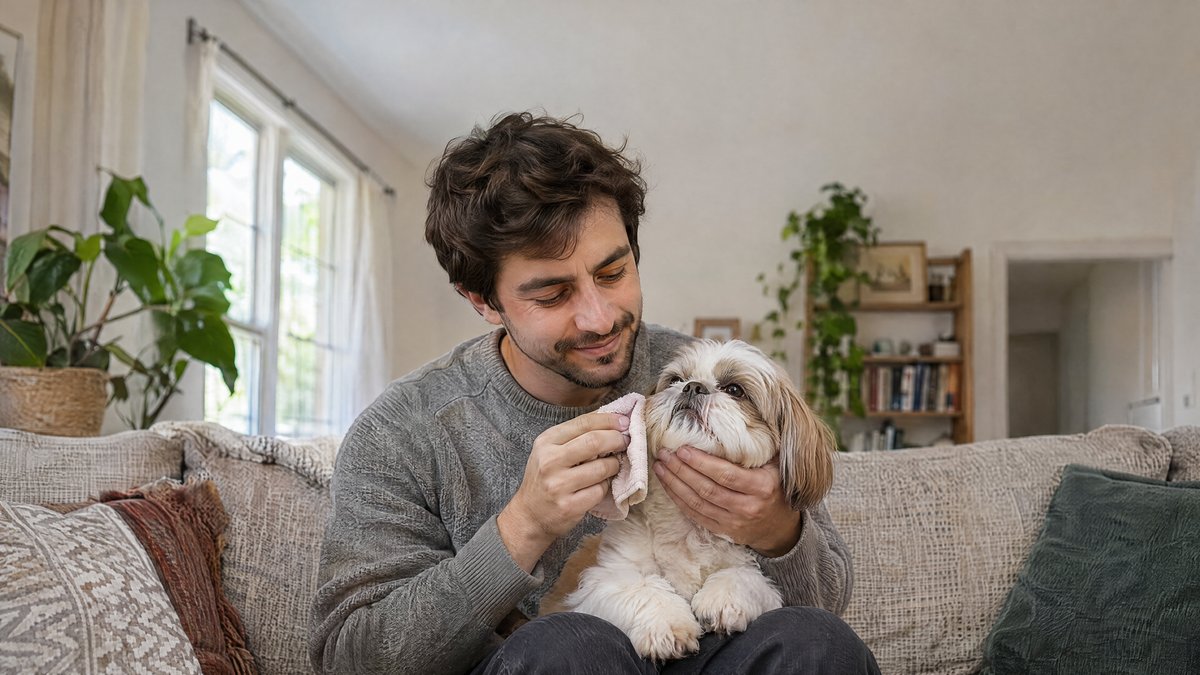
EarWipes are a finger wipe made for the outer ear. You slip one over a finger and wipe the ear flap and the part of the ear you can reach, to remove wax, buildup, debris and odor, with no liquid to pour. They suit a quick check-and-wipe moment: look at the ear, and if there is visible dirt, wipe it away.
EarWipes are part of routine care. They do not reach the deep ear canal, they are not a treatment for an ear infection, and they do not replace a vet exam. Follow the directions on the pack for how often to use them.
When to see your vet
Cornell lists these signs of a possible ear infection. Do not clean first; call your vet:
- Redness
- Itching in one or both ears
- Head shaking
- Discharge or increased wax
- Odor
- Discomfort when you touch the ear
Some of these signs also appear in dogs with allergic ear disease, even without an infection, so only your vet can tell the cause. Talk to your vet before starting any new ear product, especially for puppies, seniors and dogs with existing ear problems.
Frequently asked questions
How often should I clean my dog’s ears?
It depends on the dog. Cornell’s veterinary college says a dog with healthy, normal ears only needs a routine clean when dirt or debris is noticed, while dogs prone to ear infections may need maintenance cleaning every 1–2 weeks. Ask your vet which group your dog belongs to.
Can you clean a dog’s ears too much?
Yes. Cornell says over-cleaning can irritate the ears, and the AKC warns that cleaning too often can irritate the skin or cause further problems. Check the ears regularly and clean when you see a reason to.
Do floppy-eared dogs need their ears cleaned more often?
Often, yes. Cornell says dogs with floppy ears, allergies or a history of ear infections may need cleaning more frequently, and the AKC names long-eared breeds such as Basset Hounds and Cocker Spaniels as being at higher risk of ear infections.
What does a healthy dog ear look like?
The AKC describes a healthy ear as pink, odorless, and not dirty or inflamed. If you notice a change in color, smell or the amount of wax, that is the moment to clean, or to call your vet if it looks sore.
Should I clean my dog’s ears after swimming?
The AKC says that if your dog swims often, gentle cleaning or vet-recommended drying products can help. Ask your vet which products suit your dog.
Should I clean an ear that might be infected?
No. The AKC says cleaning an already infected ear often does more harm than good, and Cornell lists redness, itching, head shaking, discharge, odor and pain as signs to contact your vet.
Sources
- Cornell University College of Veterinary Medicine: How to Clean Your Dog’s Ears
- American Kennel Club: How to Clean a Dog’s Ears
Reviewed by the VetPets Care Team. This guide is educational and does not replace advice from your veterinarian.
A quick look. A gentle wipe. Done.
Keep ears tidy as part of the routine. Every order is covered by our 100-Day Money-Back Guarantee.
Explore EarWipes