

Paw Balm vs Paw Cleaner: What Each One Does
A balm works before the walk, a cleaner works after it. Here is what each one does, how they fit together and when paws need a vet instead.
The short answer
A paw balm and a paw cleaner do opposite jobs. PetMD describes a balm as a protective layer that guards against dampness and chemicals, while VCA advises washing or wiping paws after a walk to remove chemicals before your dog can lick them off. Most dogs need the cleaning step after walks. The balm is an optional extra for rough weather.
Key takeaways
- Balm goes on before a walk to protect and moisturize. A cleaner comes after the walk to remove dirt and residue.
- Apply balm thinly, on and between the pads, and wipe off excess before your dog comes indoors (PetMD).
- Salt-based de-icers are drying to paw pads and toxic if licked off, so wash or wipe paws after winter walks (VCA).
- Washing too often can strip natural oils, so dry paws well and do not overdo it (ASPCA).
- Cracks, redness or constant licking belong with your vet.
In this guide
Balm and cleaner do different jobs
Owners often ask which one to buy, as if one replaces the other. They do not. Think of a balm like lip balm for paws and a cleaner like a hand wash: one protects, the other removes.
| Paw balm | Paw cleaner | |
|---|---|---|
| When | Before a walk, or on clean dry paws | After a walk |
| Main job | Forms a barrier against dampness and chemicals, moisturizes | Removes mud, grit, salt and residue |
| How often | When conditions call for it | After walks, as your dog needs |
| Watch out for | Too much product, licking, tracking indoors | Washing too often, leaving paws damp |
Our paw care hub covers the whole routine. This guide is about telling the two products apart.
What a paw balm does
PetMD says paw balms will not protect against sharp ice, but they form a protective barrier against dampness and chemicals, and good ones contain moisturizing and soothing ingredients. VCA likewise describes protective balms as a barrier between the paw pads and salt-covered sidewalks.
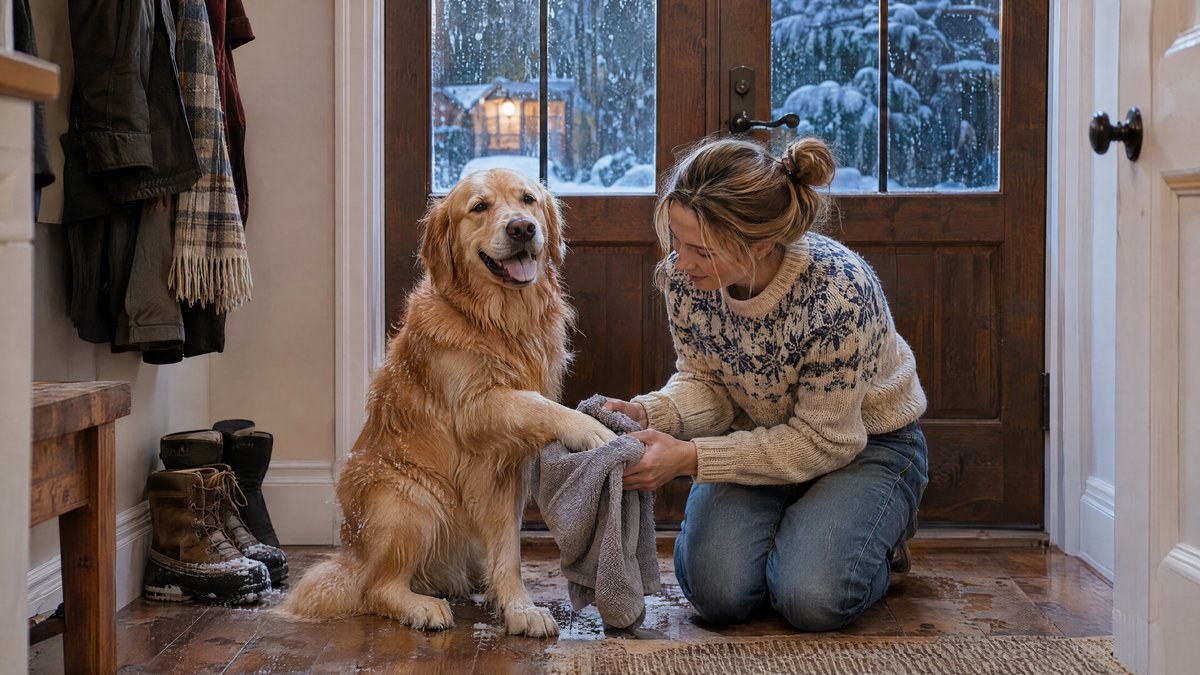
How to apply, from PetMD: put a thin layer on and between the paw pads, between the toes and on the fur at the sides of the feet. Do it outdoors or in a garage so your dog does not track balm through the house, and keep a towel by the door to wipe off chemicals or excess balm before your dog comes back in.
A balm is most useful when paws face something harsh, such as winter salt. Our winter paw care guide goes through that in detail.
What a paw cleaner does
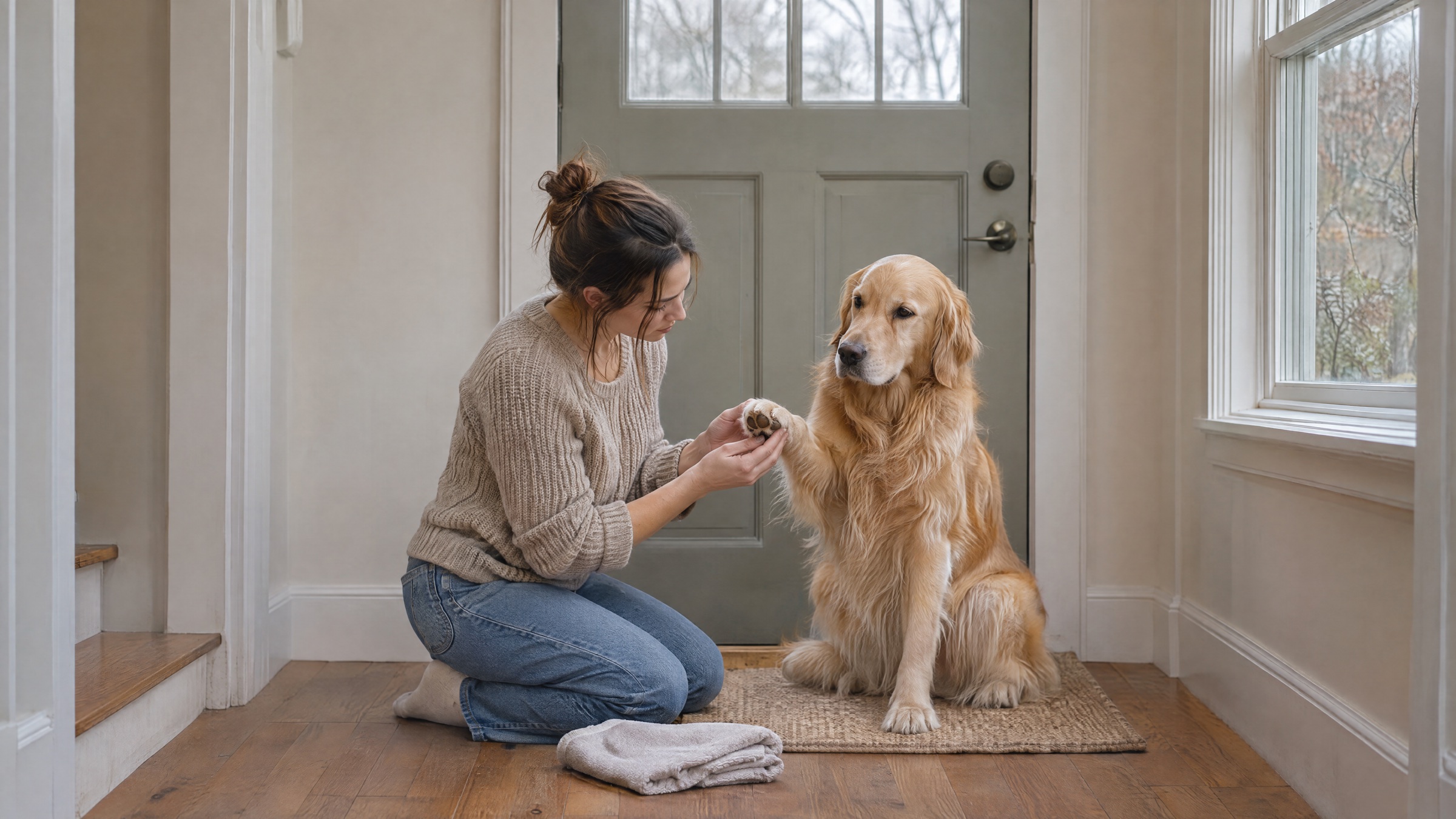
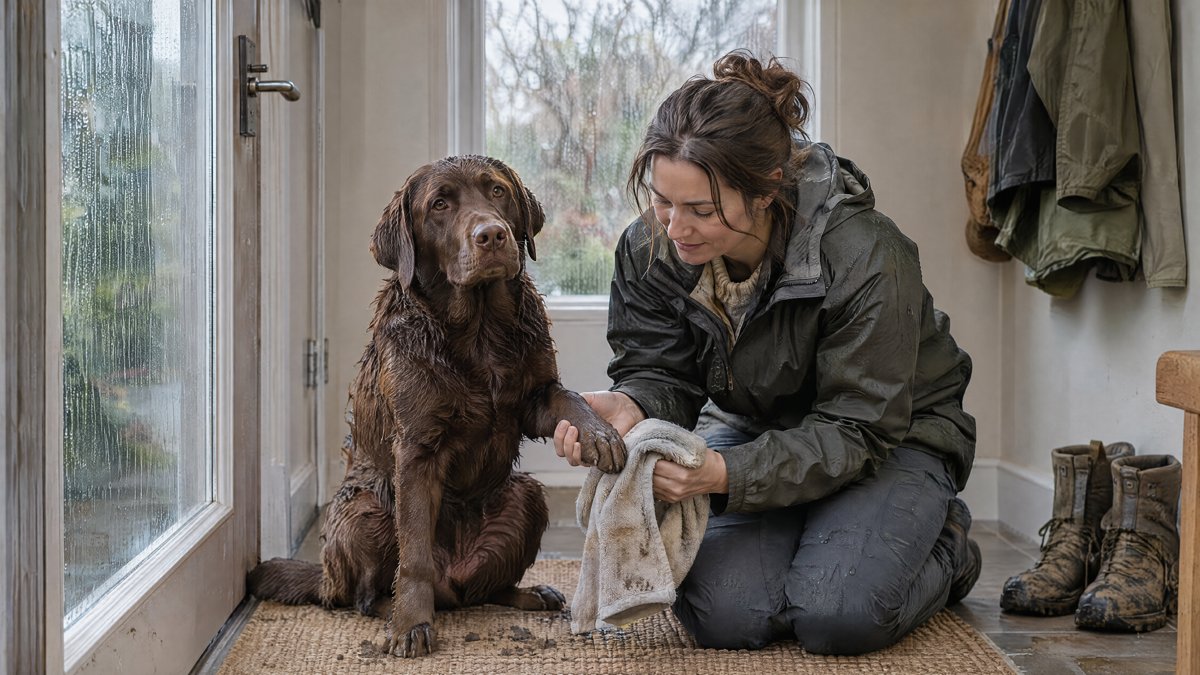
A cleaner takes off what the walk left behind. VCA says to wash or wipe your dog’s paws with warm water, a cloth or grooming wipes after a walk to remove chemicals from streets and sidewalks, which stops your dog licking residue off and getting sick. It also notes that salt-based de-icers are very drying to paw pads and the skin between the toes.
ASPCA recommends washing and drying your pet’s feet after each walk to remove ice, salt and chemicals, and checking for cracks in the paw pads or redness between the toes. It also warns that washing too often can remove essential oils and lead to dry, flaky skin, so dry thoroughly and match the effort to how dirty the walk was.
Cleaning also helps with licking. AKC notes that the moisture from constant paw licking can cause a secondary bacterial or yeast infection, and suggests keeping a bowl of water and a towel near the door to gently clean paws when your dog comes in. Our guides on cleaning dog paws after a walk and why dogs lick their paws go deeper.
Using both: a simple routine
- Before the walk (optional): on clean, dry paws, rub a thin layer of balm on and between the pads.
- After the walk: wipe or wash the paws to remove mud, salt and any balm that is left.
- Dry well. Pay attention to the skin between the toes.
- Look. Check the pads for cracks and the skin between the toes for redness.
- Reward calm behavior with a treat so the routine stays easy.
How PawFoam fits into the routine
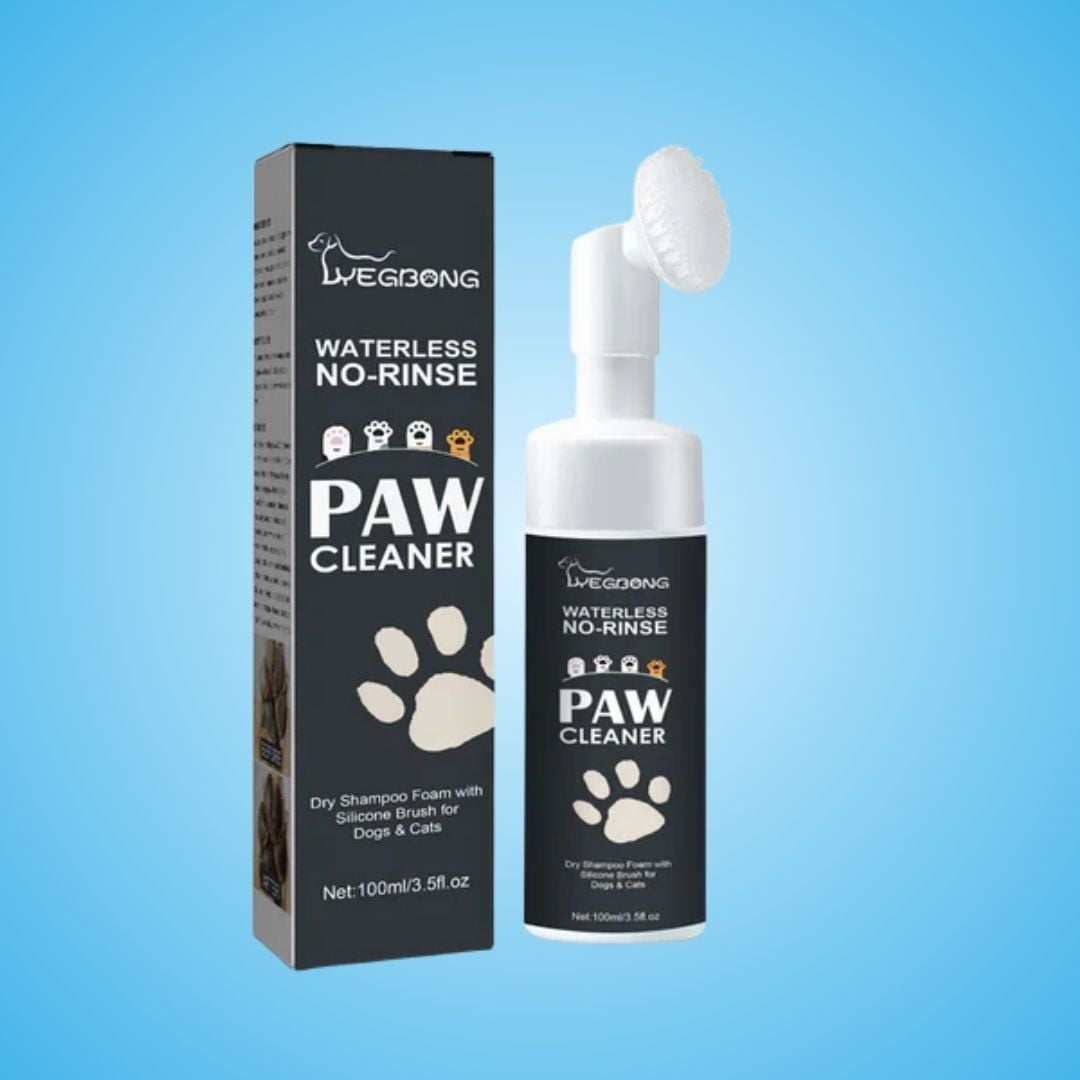
PawFoam is a no-rinse paw cleansing foam with a built-in textured brush head, so it covers the “after the walk” step. You pump the foam onto the brush, scrub into the pads and toes for about 15 seconds per paw, then wipe dry with a towel. It lifts mud, grit and buildup from between the pads and is made for daily use on dogs and cats.
PawFoam is a cleaner, not a balm, and it is routine care. It does not treat sore, cracked or infected paws, and it does not replace a vet exam.
When to see your vet
Neither a balm nor a cleaner can diagnose or treat a paw problem. Contact your vet if you notice:
- Cracked, bleeding or very sore paw pads
- Redness or swelling between the toes
- Limping or reluctance to walk
- Constant licking or chewing of the paws
- A bad smell or discharge from the paws
- Any sign your dog has swallowed salt or chemicals from its paws
Frequently asked questions
Is paw balm the same as a paw cleaner?
No. A balm is applied to clean, dry paws to form a protective, moisturizing layer. A cleaner removes dirt, salt and residue from paws after a walk. PetMD describes balms as forming a barrier against dampness and chemicals, while VCA recommends washing or wiping paws after a walk to remove chemicals.
Should I use balm before or after a walk?
VCA suggests applying a thin layer just before you head out and gently wiping the paws with a towel or grooming wipes afterward. PetMD adds that it is best to put balm on outdoors or in a garage so it is not tracked through the house.
Can my dog lick off paw balm?
It can happen, which is why PetMD advises a thin layer and wiping off any excess before your dog comes back indoors. If your dog licks and chews at the paws a lot, ask your vet.
Do I need a balm if I already clean my dog’s paws?
Not necessarily. Cleaning is the part sources agree on for every walk. A balm is an optional extra, mainly for winter salt, hot or rough surfaces, or paws that tend to look dry. Your vet can tell you whether your dog needs one.
Can I wash paws too often?
ASPCA warns that washing too often can remove essential oils and increase the chance of dry, flaky skin, and recommends drying your dog’s feet properly after each walk.
What should I do about cracked paw pads?
ASPCA says to check paw pads for cracks and the skin between the toes for redness after walks. Cracks, redness, limping or constant licking are reasons to call your vet rather than keep treating at home.
Sources
- PetMD: How to Protect Your Dog’s Paws in Winter
- VCA Animal Hospitals: Be Careful with Ice Melt
- ASPCA: Cold Weather Safety Tips
- American Kennel Club: Why Does My Dog Lick and Chew Paws?
Reviewed by the VetPets Care Team. This guide is educational and does not replace advice from your veterinarian.
Clean paws after every walk.
A quick no-rinse clean after the walk. Every order is covered by our 100-Day Money-Back Guarantee.
See PawFoam