

Quick Clean Between Baths: How to Freshen Up Your Dog
How to keep your dog fresh between baths: what to spot-clean, what to use, how often a full bath is really needed, and when to call your vet.
The short answer
Spot-clean the dirty areas with a damp cloth or pet-safe wipes, brush the coat, and save full baths for when your dog is dirty or smelly. PetMD says the right bath schedule runs from about once a week to a few times a year, and that bathing too often can dry the coat and skin. A quick clean between baths helps your dog stay fresh without that risk.
Key takeaways
- Bath frequency depends on breed, coat, lifestyle and season (PetMD, AKC).
- Bathing too often can lead to dry coats and skin problems (PetMD).
- A damp washcloth can remove the dirt from a busy day for a short-haired dog (AKC).
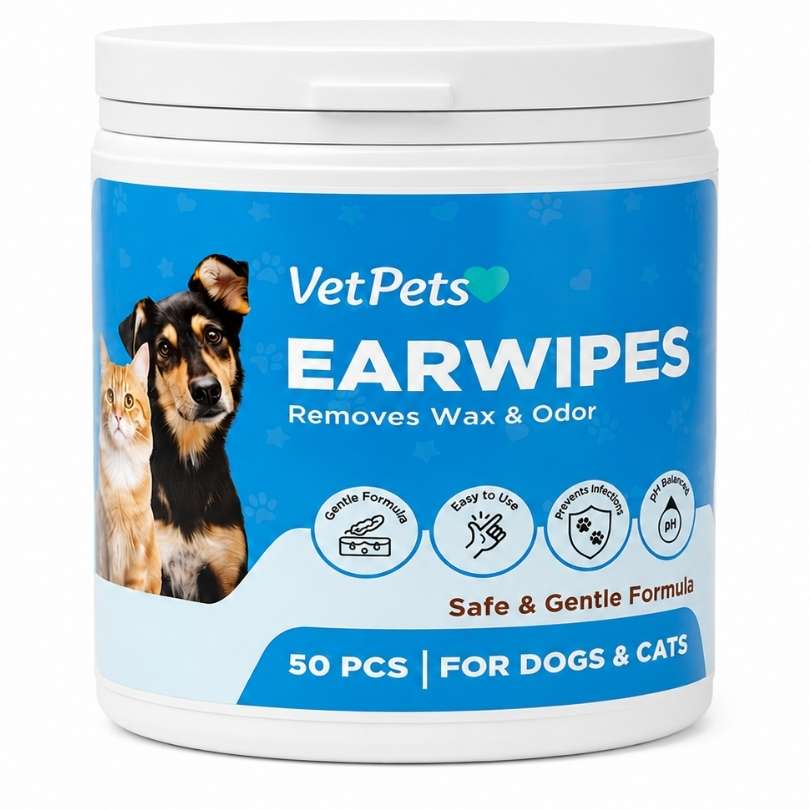
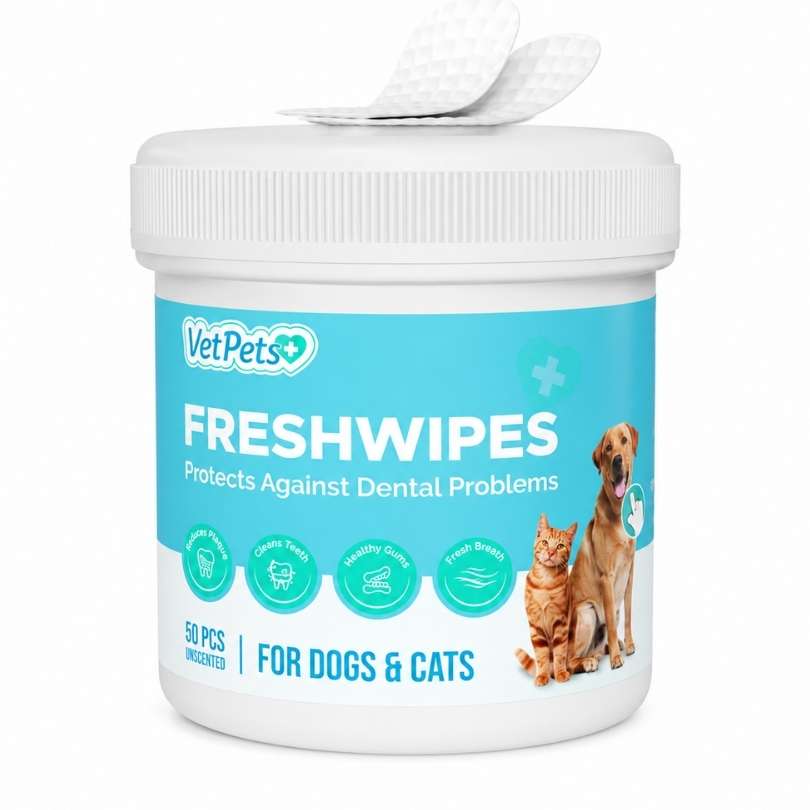
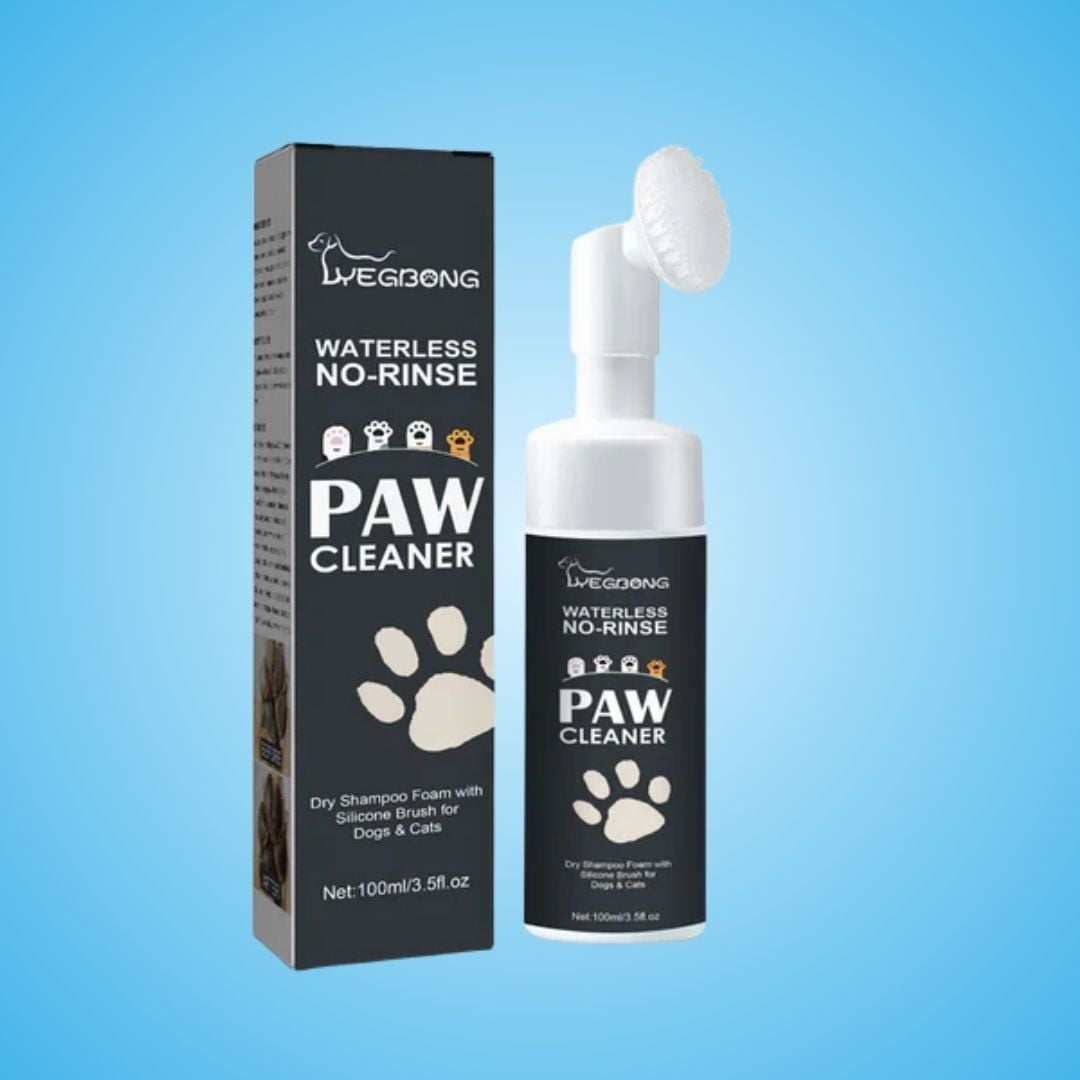
- PetMD lists grooming wipes and waterless shampoos for in-between clean-ups.
- Skin changes, redness or a strong smell that does not go away are reasons to call your vet.
In this guide
How often does a dog really need a bath?
PetMD's vet author says there are no hard and fast rules: it depends on breed, coat type, lifestyle and time of year, and the happy medium may range from once a week to only a few times a year. AKC adds that a bath for a medium-to-large coat could be needed anywhere from weekly to every four to six weeks, as long as the coat is well maintained in between.
That gap between baths is where a quick clean does its work. PetMD says seasons matter too: in warm, wet months many dogs get greasy coats and a stronger smell, while in winter dry skin is more of a risk.
What to spot-clean (and what a bath is for)
Most everyday mess lands in a few places. Cleaning only those areas often takes a minute or two and spares the rest of the coat.
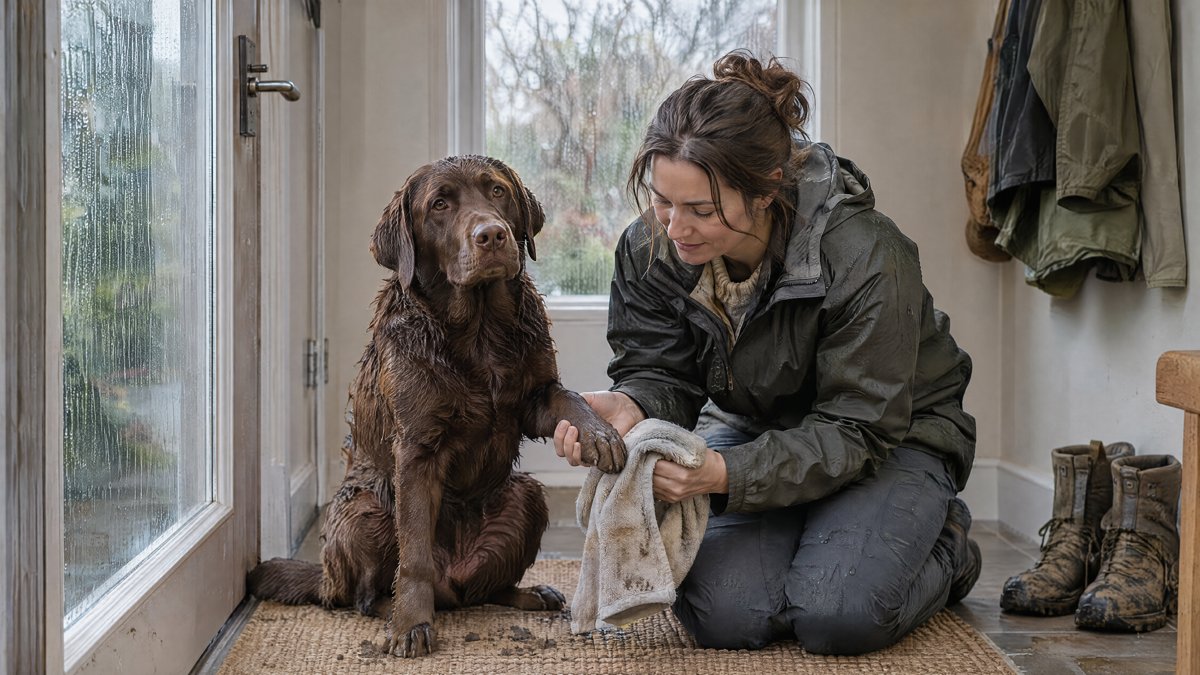
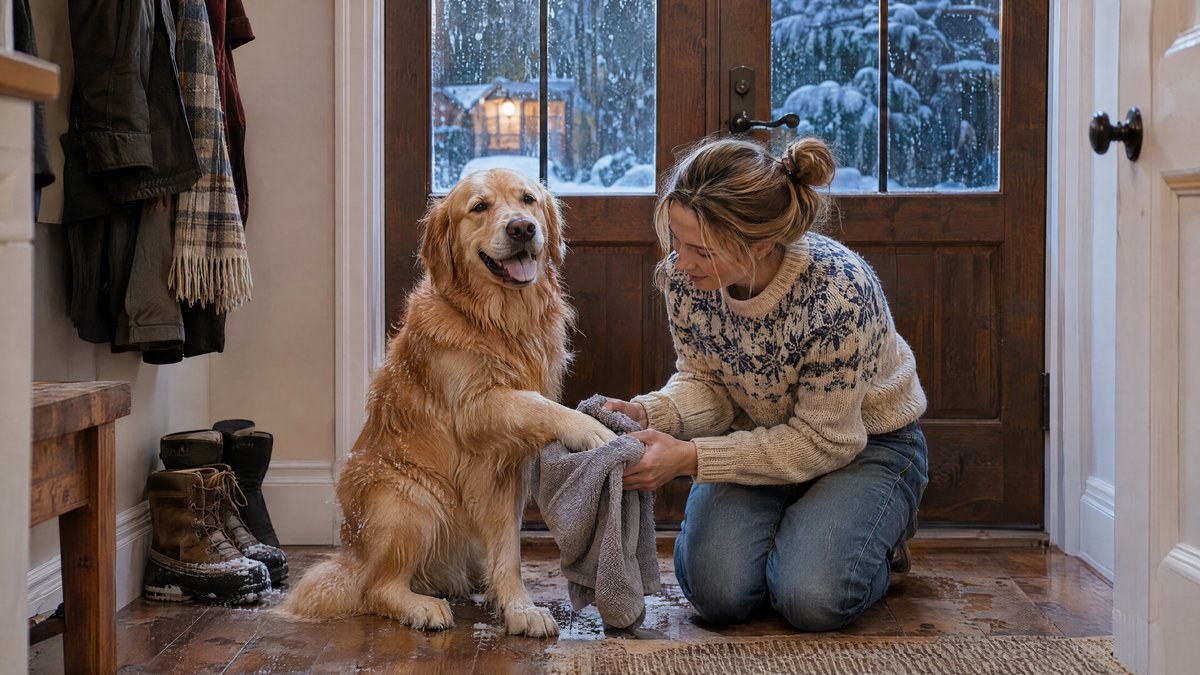
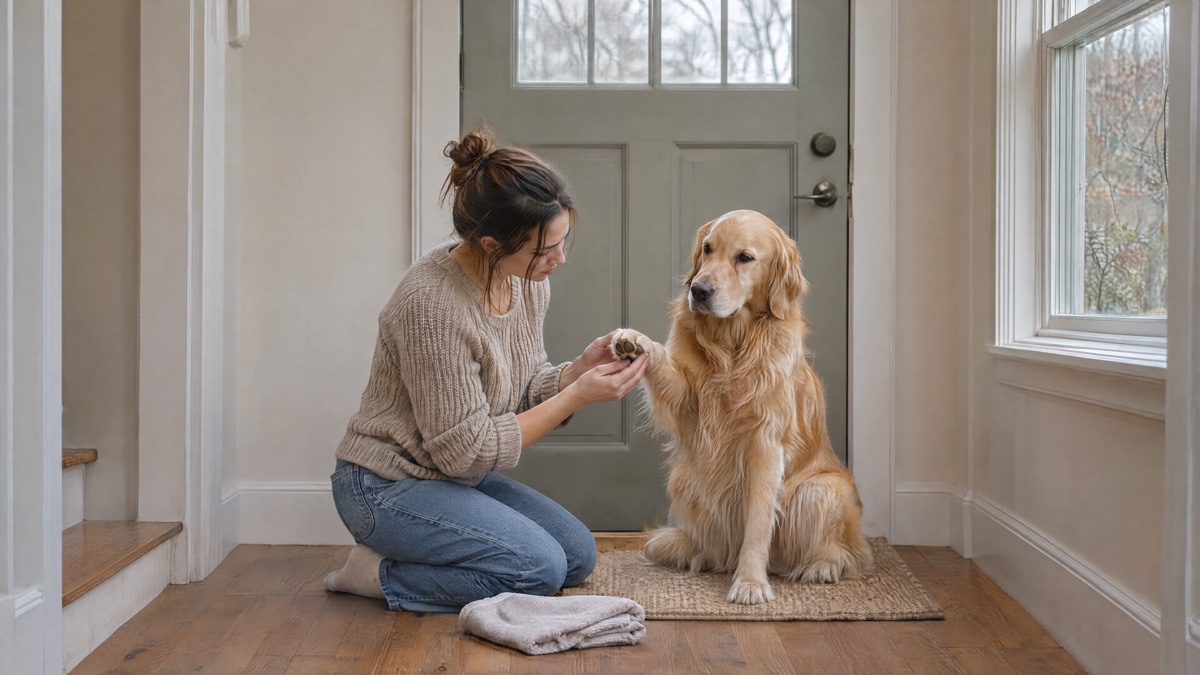
- Paws and between the toes: mud, grit and whatever else the walk picked up.
- Belly and chest: the parts closest to the ground and to puddles.
- The back end: PetMD notes some senior dogs and dogs with incontinence struggle to keep clean and may need daily wipes and spot cleaning.
- Face and beard: after meals and water bowls.
A full bath still has a job. When your dog has rolled in something, is truly muddy all over, or your vet has recommended a medicated shampoo, use a bath. PetMD says dogs with skin conditions may need to be bathed more or less often than usual, so follow your vet's plan.
Damp cloth, wipes, waterless shampoo or a glove?
PetMD's list of bathing supplies includes waterless shampoos for in-between clean-ups and grooming wipes for spot cleaning, and AKC quotes a groomer recommending a damp washcloth for short-haired dogs. Each has a place.
| Method | Good for | Good to know |
|---|---|---|
| Damp washcloth | Short coats, light dirt (AKC) | Cheap and simple; needs rinsing out |
| Grooming wipes | Spot cleaning paws, belly, face (PetMD) | Check the label is made for pets |
| Waterless shampoo | A fresher coat without a tub (PetMD) | Ask your vet if your dog has sensitive skin |
| Cleaning glove | Whole-coat wipe-down in one pass | Quick to use and easy to keep by the door |
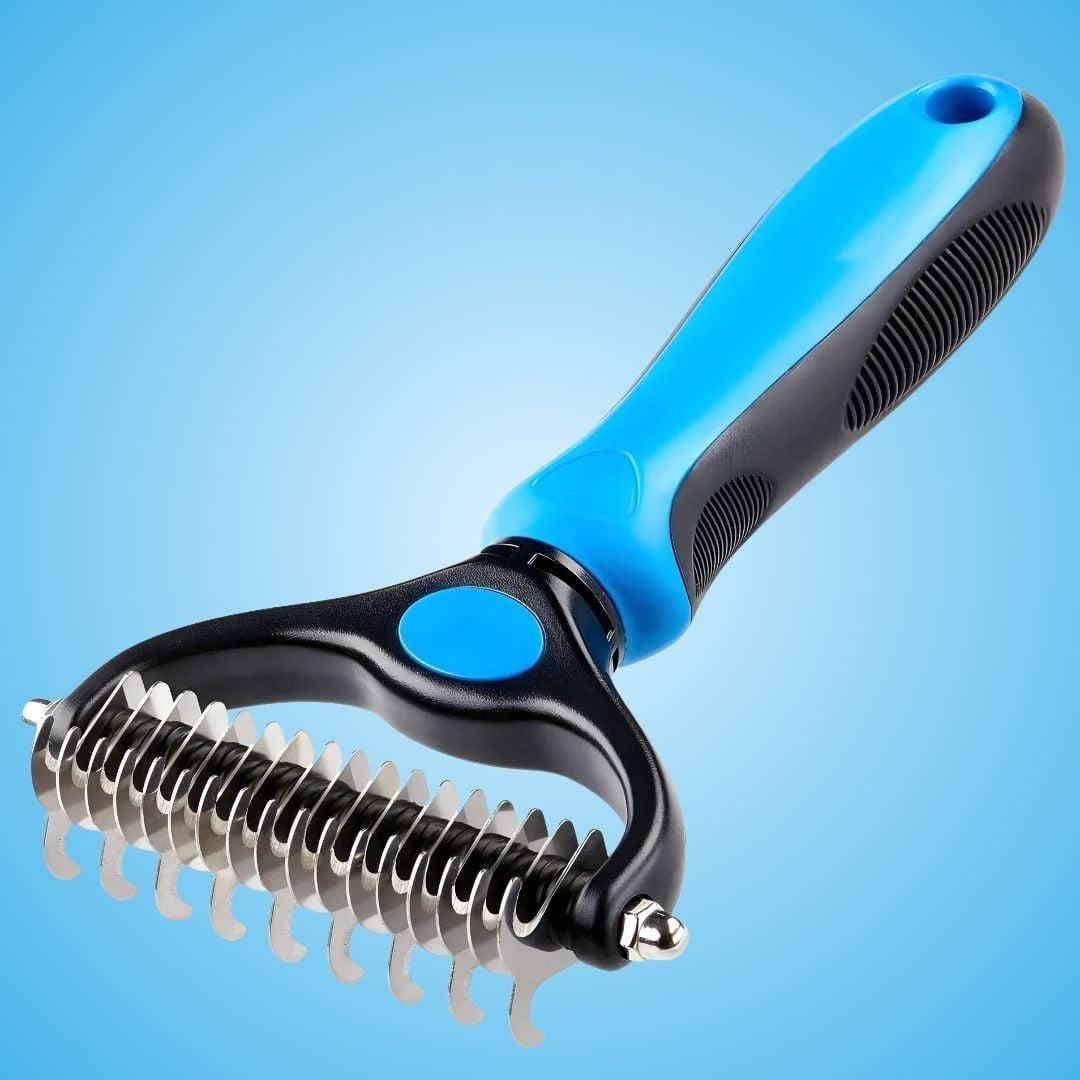
| Brushing | Loose hair, dirt and tangles (PetMD) | Daily for long coats, weekly or more for short |
Whatever you pick, PetMD advises talking to your vet first if your dog has a health or skin condition, because the wrong product can make unhealthy skin worse.
The five-minute between-baths routine
- Brush first. It lifts loose hair and dirt so the cleaning goes faster.
- Look the dog over. Check the skin and paws for redness, cuts or anything stuck in the coat.
- Wipe the dirty areas. Paws, belly, chest, face and back end, working with the lie of the coat.
- Pay extra attention to smelly spots, then dry any damp areas with a clean towel.
- Praise and treat. A calm, short routine is easier to repeat tomorrow.
For paw-specific cleaning, see how to clean your dog's paws after a walk, and for rainy days, how to dry a dog after a rainy walk.
How GloveWipes fit into the routine
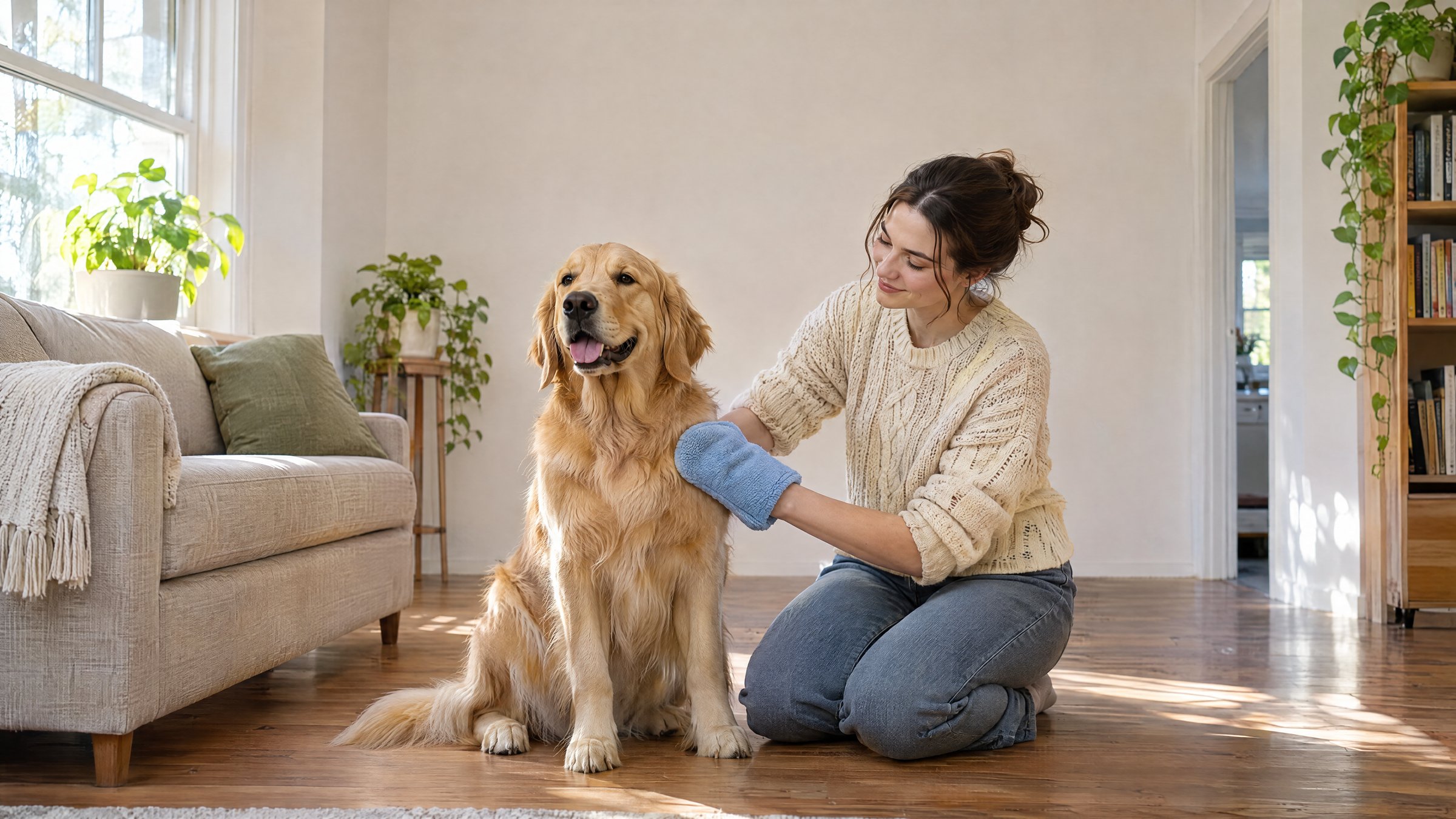
GloveWipes is a waterless cleaning glove for dogs and cats. You slip the glove on until it is snug, then wipe head to tail along the coat, legs and paws, with extra attention on muddy or smelly areas. It lifts dirt and loose fur on contact and takes under 60 seconds. The formula is fragrance-free and is made for daily use, so it suits the days between baths.
GloveWipes is part of a grooming routine. It does not replace brushing, a full bath when one is needed, or a vet visit, and it is not a treatment for skin conditions. Introduce it gradually and talk to your vet if your pet has known sensitivities. Looking for the full picture? Browse the paw care hub.
When to see your vet
A quick clean is routine care, not a way to treat a problem. Contact your vet if you notice:
- Redness, sore patches, scabs or hair loss
- A strong smell that returns soon after cleaning
- Constant scratching, licking or chewing
- A greasy, flaky or very dry coat that does not improve
Your vet can check the skin, rule out other causes, and suggest a bathing plan for your dog.
Frequently asked questions
How often should I bathe my dog?
There is no single rule. PetMD's vet author says the right schedule can range from about once a week to only a few times a year, depending on breed, coat, lifestyle and season. AKC quotes a groomer who says to wash a dog when it is no longer huggable. Ask your vet if your dog has a skin condition.
Can I clean my dog without a full bath?
Yes. AKC quotes a groomer who says a short-haired dog can get a good rubdown with a damp washcloth to remove dirt from a busy day out. PetMD lists grooming wipes for spot cleaning and waterless shampoos for in-between clean-ups.
Is bathing my dog too often a problem?
It can be. PetMD says bathing too frequently can lead to dry coats and skin problems, and AKC quotes a groomer who says overbathing could strip too much oil from the skin of thick or double-coated dogs.
Does brushing count as cleaning between baths?
It helps a lot. AKC quotes a groomer who says thorough brushing, combing and conditioning are more integral to a pet's health than bath time, and PetMD recommends brushing daily for long coats and at least weekly for short coats.
What areas should I spot-clean first?
Start with whatever is visibly dirty or smelly: the paws, belly, chest and the back end, plus the face after meals. If your dog has a skin fold, ask your vet or groomer how to care for it.
Are grooming wipes safe for every dog?
Not always. PetMD advises checking products with your vet, especially if your dog has a skin condition, because the wrong product can make unhealthy skin worse. Choose products made for pets and stop if you see redness or irritation.
Sources
- PetMD: How Often Should You Bathe Your Dog?
- American Kennel Club: How Often Should You Bathe Your Dog?
- VetPets GloveWipes product page
Reviewed by the VetPets Care Team. This guide is educational and does not replace advice from your veterinarian.
A fresh dog without the bath.
A 60-second wipe-down for the days between baths. Every order is covered by our 100-Day Money-Back Guarantee.
See GloveWipes