





Dog Shaking Head and Scratching Ears: What to Check
Head shaking and ear scratching are your dog’s way of saying something bothers an ear. Here is what to look for first, what can cause it, and when it needs a vet.
The short answer
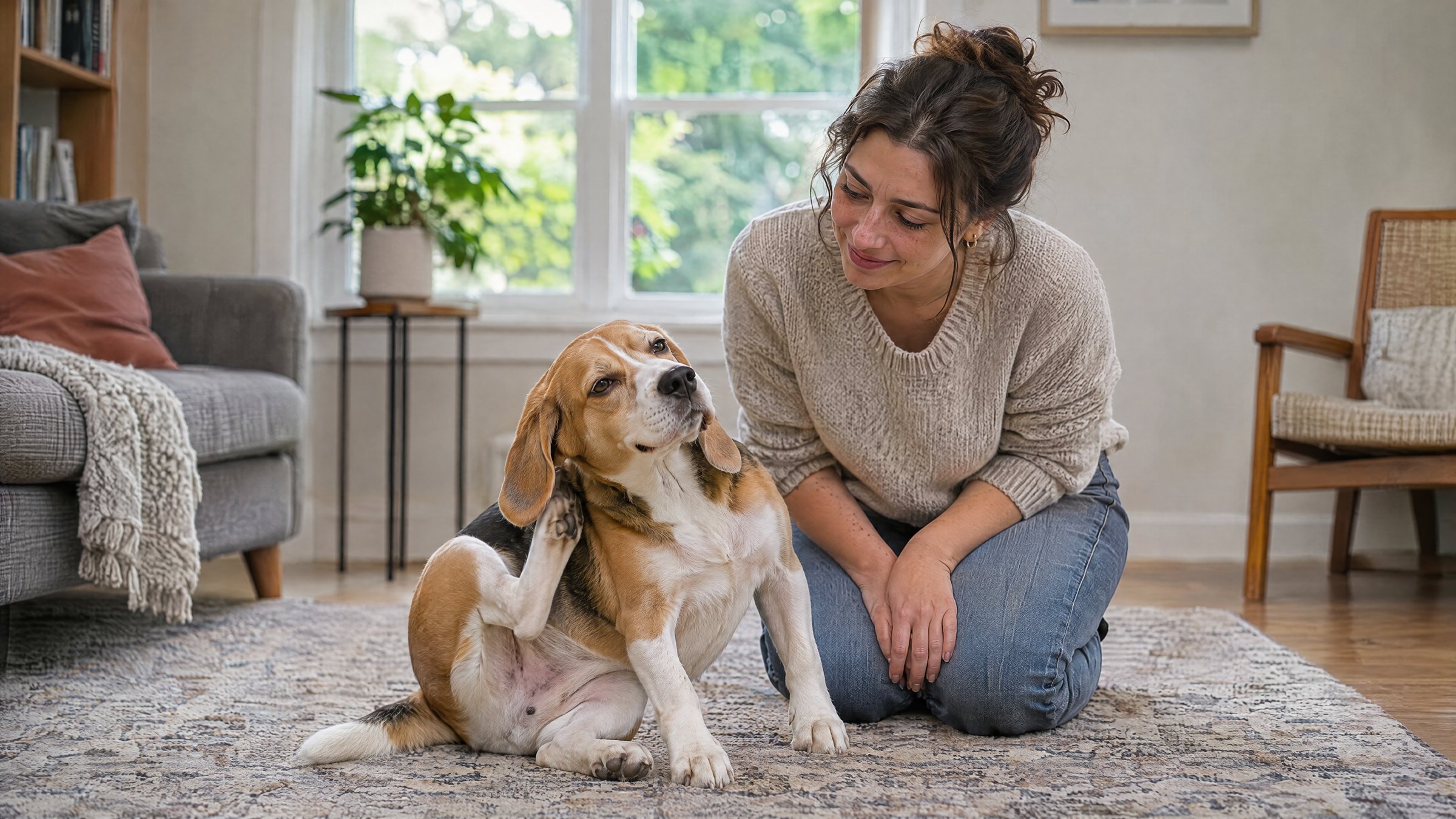
Occasional shaking or a quick scratch can be normal, but frequent or repeated head shaking and ear scratching means something is bothering the ear. Merck lists head shaking and scratching among the signs of an outer ear infection, and allergies, parasites and objects stuck in the ear canal can all be behind it. Look at the ear, smell it, and call your vet if you see redness, discharge, odor or pain.
Key takeaways
- Head shaking, scratching, odor, redness, swelling, discharge and scaly skin are the signs Merck lists for an outer ear infection.
- Underlying causes include allergies, ear mites and ear shape (Cornell), plus parasites and objects stuck in the canal (Merck).
- Hard, repeated shaking or scratching can burst a small blood vessel in the ear flap and cause a swelling called an aural hematoma (Merck).
- Skip cotton swabs, alcohol, hydrogen peroxide and vinegar mixtures.
- Only a vet can find the cause. Wipes tidy the outer ear but do not treat one.
In this guide
Common causes behind the shaking and scratching
Dogs cannot tell us what is wrong, so the ear does the talking. The same behavior can come from several different problems, which is why guessing at home often fails. The vet sources point to these:
- Allergies: Merck says environmental allergens such as dust mites, pollen and mold, and food allergies, often cause red, itchy ears and can lead to ear canal infections. The face, armpits, inner thighs and feet are often itchy too.
- Ear infection: Merck says outer ear infection (otitis externa) can involve bacteria or yeast, and that a dark discharge often points to yeast or parasites.
- Parasites: Cornell names ear mites as a common underlying cause of ear problems. Merck also lists insect, tick and flea bites as a cause of red, swollen, itchy ears.
- Something stuck in the canal: Merck lists objects stuck in the ear canal among the direct causes.
- Ear shape: Cornell and Merck both say the shape of the ear can make some dogs more likely to get ear infections. See our guide to ear care for floppy-eared dogs.
Merck adds that finding every cause matters: unless each one is treated, the problem often comes back.
What to check first
Before you do anything else, take two calm minutes to look. This also gives your vet useful information if you call.
- One ear or both? Merck notes that one or both ears can be affected. Note which side your dog favors.
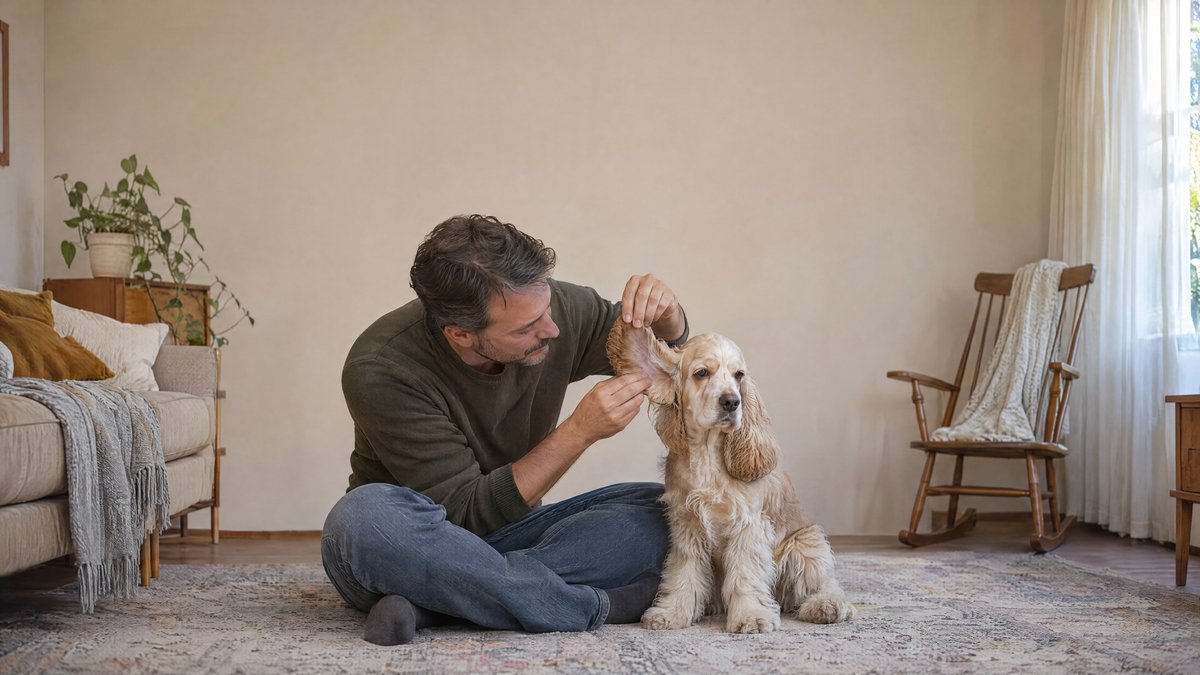
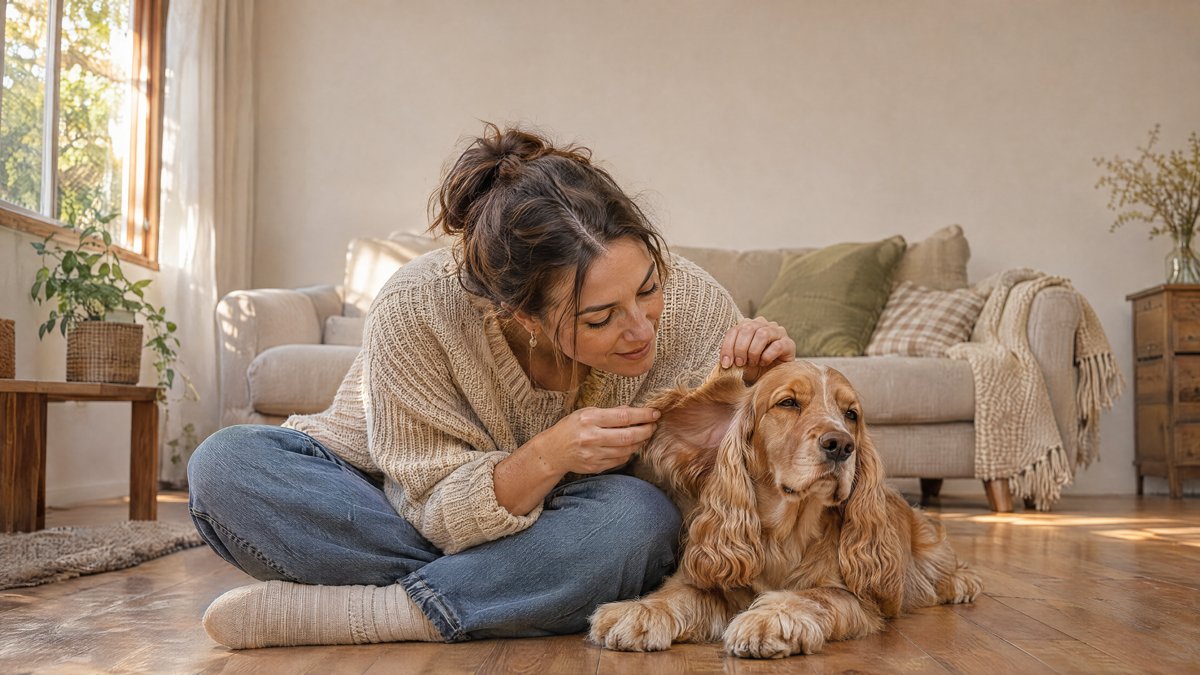
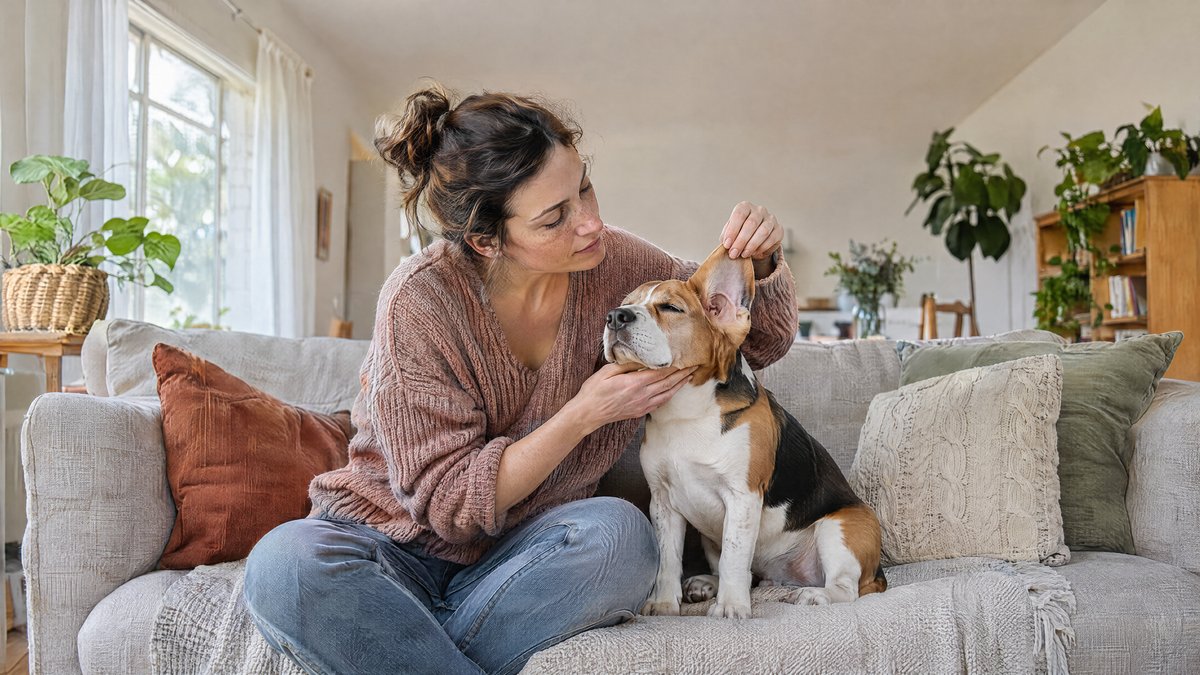
- Look at the skin. Gently lift the flap. Redness, swelling or scaly skin is a reason to call your vet.
- Look at the debris. A small amount of wax is normal (see dog ear wax: what’s normal). Heavy buildup, crusting or discharge is not.
- Smell. A foul or yeasty smell points toward infection. Our guide on why dogs’ ears smell goes deeper.
- Touch. Does your dog pull away, cry out or flinch? Cornell lists discomfort when the ear is touched as a sign to contact your vet.
- Look elsewhere. Itchy paws, face or armpits alongside the ears can point to allergies, so mention it to your vet.
Why constant shaking can hurt the ear
Merck explains that an aural hematoma is a fluid-filled swelling on the inner surface of the ear flap, caused by bleeding under the skin. It most commonly happens when a pet shakes its head or scratches its ears, which can rupture a blood vessel. The flap can feel soft and fluid-filled, like a water balloon.
Merck says treatment is usually surgery by a vet, and that treating the underlying cause, such as an ear infection, is essential. It also notes that an untreated hematoma may heal on its own but often leaves a thickened, wrinkled “cauliflower ear.” If an ear flap looks puffy or feels like a balloon, call your vet.
What not to do at home
| Do | Don’t |
|---|---|
| Look, smell and note what you see | Use cotton swabs, which can push debris deeper (Cornell, Merck) |
| Use a cleaner your vet recommends | Use alcohol or hydrogen peroxide (Cornell) |
| Keep water out of the ears at bath time (Merck) | Try vinegar mixtures or other home remedies, which can worsen swelling (Merck) |
| Stop if your dog is in pain and call your vet (Cornell) | Squeeze cleaner into the ear forcefully (Cornell) |
Cornell also says over-cleaning can irritate the ears. For a calm, healthy-looking ear, see how to clean your dog’s ears at home and how often to do it. All of it sits inside our dog ear care hub.
How EarWipes fit into the routine
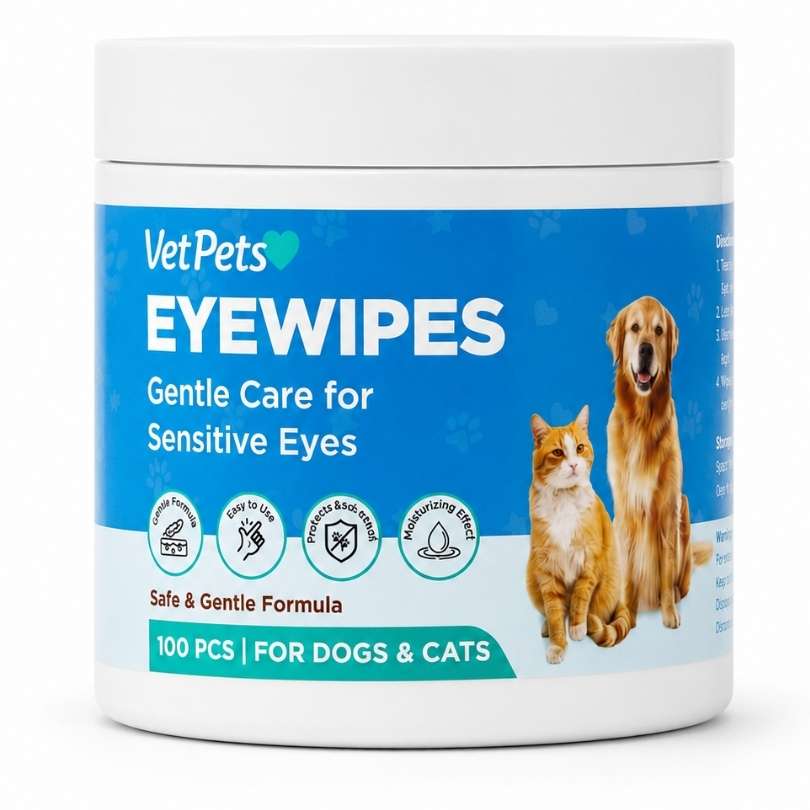
EarWipes are a finger wipe made for the outer ear. You slip one over a finger and wipe the ear flap and the part of the ear you can reach, to remove wax, buildup, debris and odor, with no liquid to pour. They suit the “a little dirt or wax on the flap” moment, once your vet has ruled out a problem.
EarWipes are part of routine care. They are not a treatment for itching, infection or mites, and they do not replace a vet exam. If your dog is actively shaking its head or scratching, see your vet first. Follow the directions on the pack for how often to use them.
When to see your vet
Wipes tidy the outer ear. They cannot diagnose or treat an infection. Contact your vet if you notice:
- Head shaking or ear scratching that is frequent or does not stop
- Redness, swelling or scaly skin
- A foul or yeasty smell, or any discharge, especially if dark
- An ear flap that looks puffy or feels like a water balloon
- Pulling away or crying out when the ear is touched
- Itching on the face, paws or armpits as well
Merck says a vet usually examines the ear with an otoscope, sometimes needs sedation if the ear is painful, and checks a sample of discharge for bacteria, yeast or mites. Treatment depends on the cause, and Merck says rechecks are often needed.
Frequently asked questions
Why does my dog keep shaking his head?
Merck lists head shaking among the signs of an outer ear infection, along with odor, redness, swelling, scratching, discharge and scaly skin. Allergies, parasites and objects stuck in the ear can cause it too. A vet can tell which.
Is it normal for a dog to scratch their ears sometimes?
An occasional scratch is common. Scratching that is frequent, one-sided, or comes with odor, redness or discharge is worth a vet visit.
Could my dog have ear mites?
It is possible. Cornell names ear mites as a common underlying cause of ear problems, and Merck says a dark discharge often indicates yeast or parasites. Only a vet can confirm, usually by checking a sample of the discharge.
Can head shaking hurt my dog’s ear?
Yes. Merck says shaking the head or scratching the ears can rupture a blood vessel and cause an aural hematoma, a fluid-filled swelling of the ear flap. Call your vet if a flap looks puffy.
Can I clean my dog’s ears when they keep scratching?
Ask your vet first. Cornell says to stop and call your vet if your dog is in pain, and that cleaning severe infections at home may need to wait until medication has eased the pain and inflammation.
Should I use vinegar or a home remedy?
No. Merck says irritating home remedies such as vinegar mixtures can worsen swelling and secretions and raise the risk of infection.
Sources
- Cornell University College of Veterinary Medicine: How to Clean Your Dog’s Ears
- Merck Veterinary Manual, Pet Owner Version: Ear Infections and Otitis Externa in Dogs
- Merck Veterinary Manual, Pet Owner Version: Disorders of the Outer Ear in Dogs
Reviewed by the VetPets Care Team. This guide is educational and does not replace advice from your veterinarian.
A quick look, a quick wipe, and a vet when it counts.
One small habit for healthy-looking ears. Every order is covered by our 100-Day Money-Back Guarantee.
See EarWipes